

Saye Demands Anti-Trafficking Action-Initiative Reports Rising Cross-Border Victim Cases
Human trafficking increasingly reaches Liberians through attractive job, scholarship, travel and sporting offers that often conceal exploitation or organized fraud. Zokerseh B. Saye’s account shows a problem crossing national borders, overwhelming victims and demanding effective cooperation beyond any single institution. His organization reports rescue interventions involving Liberia, Sierra Leone, Nigeria and Cambodia, alongside more than 52 documented scam victims. The reported conviction arising from a 57-victim case demonstrates that prosecution can produce consequences when investigations reach court. Yet prevention remains especially decisive because secrecy, desperation and unverified payments continue exposing citizens to traffickers. Sustained government support, regional enforcement and prompt public reporting will determine whether vulnerable Liberians receive protection before exploitation occurs, as The Analyst reports.
MONROVIA: Liberia Anti-Trafficking and Scam Victim Support Initiative Executive Director Zokerseh B. Saye has called for stronger national action to prevent human trafficking, protect victims and prosecute perpetrators. He warned that Liberians continued to fall victim to fraudulent job offers, scholarships, travel opportunities and other schemes across the region and beyond.
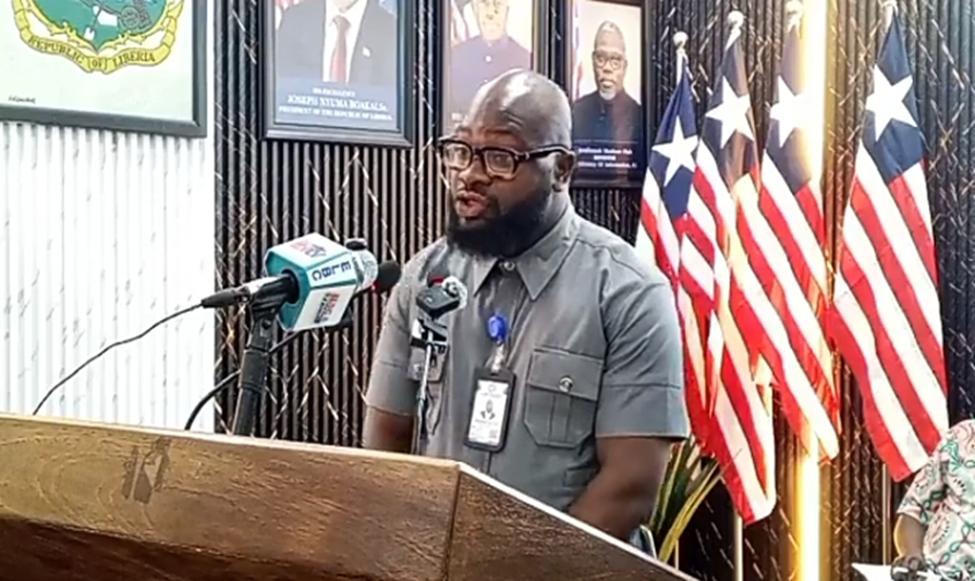
Speaking during the Ministry of Information’s regular press briefing Thursday, Saye stated that his institution was intensifying efforts to raise public awareness about human trafficking and transnational scam operations affecting Liberians and other nationals across the region. He described access to reliable information as crucial to preventing citizens from accepting suspicious recruitment and travel opportunities.
Four Pillars Guide Response
Saye explained that the organization’s work was guided by four major pillars: prevention, protection, prosecution and partnership. He described the pillars as critical to addressing trafficking and scam-related activities.
According to Saye, prevention remained one of the most effective tools in combating trafficking because it could stop potential victims from falling into the hands of traffickers. “As an institution, we believe prevention is more powerful,” he stated, emphasizing the importance of equipping citizens with information that could help them identify and avoid suspicious recruitment schemes.
Saye explained that the protection pillar focused on safeguarding victims and restoring their dignity. He stressed that every victim deserved safety, respect and appropriate support.
On prosecution, Saye maintained that perpetrators must be held accountable through the justice system. He added that the partnership pillar required sustained collaboration among government institutions, civil society organizations and international development partners.
Cross-Border Rescues Reported
Saye disclosed that the organization had recently participated in several rescue and cross-border interventions involving alleged trafficking victims. He stated that the initiative supported the rescue of a Nigerian national who was reportedly trafficked in Liberia and was allegedly being prepared for onward movement to Canada.
Following the report, the organization contacted the Nigerian Embassy in Liberia, Saye disclosed. He stated that the initiative remained engaged while the case was investigated by the Liberian National Police (LNP).
Saye further reported that the organization supported the rescue and return of two Liberian nationals from Sierra Leone in connection with trafficking and scam-related activities. According to him, the intervention also resulted in the handover of 10 suspects to the LNP for further investigation and possible prosecution.
The cases demonstrated the increasingly cross-border nature of trafficking and scam operations, Saye maintained. He called for stronger cooperation among law enforcement institutions across the region.
Fifty-Seven Victims Case
Saye also referenced what he described as one of Liberia’s largest human-trafficking cases, involving 57 victims in July. He stated that his organization facilitated aspects of the case in collaboration with government authorities and welcomed the subsequent legal action against those accused.
According to Saye, people found guilty in connection with the case were sentenced to a combined 50 years of imprisonment. He described the convictions as an important deterrent in the fight against human trafficking.
Strong prosecution and punishment of traffickers were necessary to send a clear message that trafficking and exploitation would not be tolerated, Saye declared. He urged investigators and prosecutors to ensure that accused perpetrators were held accountable through due process.
Fraudulent Offers Target Liberians
Saye expressed concern that Liberians were increasingly being targeted with fraudulent opportunities promising employment, scholarships, travel and participation in sporting activities. He stated that victims had reportedly been trafficked to countries including Nigeria, Tanzania, Cambodia, The Gambia, Ghana and Guinea.
The initiative recently communicated with the Nigerian Immigration Service in Abuja concerning alleged Liberian trafficking victims, Saye disclosed. According to him, intervention by Nigerian immigration authorities led to the arrest of several individuals, with one person reportedly remaining in the agency’s custody when he delivered his remarks.
Saye called on the Government of Liberia to intervene and pursue the deportation of people believed to be Liberian nationals. He stated that those accused of involvement in criminal activities should face prosecution in Liberia where appropriate.
The initiative had recorded more than 52 victims of scam-related activities, particularly involving Liberians in Nigeria and other locations, Saye revealed. He appealed to the government to intervene and support efforts to facilitate the victims’ safe return home.
Despite operating with limited resources, Saye stated that the organization continued to provide victim support, case management, community awareness and assistance with cross-border rescue operations. He called on the government, law enforcement agencies, Economic Community of West African States (ECOWAS), international partners, civil society organizations and the public to strengthen collaboration against trafficking.
Such collaboration was necessary to prevent trafficking, protect victims and ensure that alleged perpetrators were properly investigated and prosecuted through due process, Saye explained. He argued that the regional character of trafficking required coordinated national and international action.
Secrecy Increases Victim Vulnerability
Saye urged members of the public to verify any payment associated with job offers, scholarships, travel arrangements or sporting opportunities before committing money or providing personal information. He stated that suspicious recruitment activities should be reported immediately to the LNP, relevant government authorities or the organization’s hotline.
The executive director identified secrecy and desperation as two major factors contributing to trafficking and scam victimization among Liberians. He explained that some people receiving suspicious offers chose not to inform relatives, friends or authorities because they feared that disclosure could cause others to interfere with what they perceived as an opportunity.
According to Saye, that culture of secrecy had increased the vulnerability of many victims. He urged Liberians to seek independent verification immediately whenever they received suspicious opportunities online or through other platforms.
Saye disclosed that the organization maintained an office on 14th Street in Monrovia, where members of the public could seek assistance in verifying the authenticity of job, scholarship, travel and other offers. He stated that the initiative had mechanisms to “check fast” and determine whether information presented to an individual was legitimate before that person made financial commitments or traveled.
The executive director also warned Liberians against becoming desperate to leave the country at all costs. He noted that traffickers frequently exploited people who were eager to travel because of economic difficulties.
“We need to reduce our appetite for travelling,” Saye cautioned, urging Liberians to exercise greater care before accepting opportunities to travel to unfamiliar countries. He stressed that although seeking opportunities abroad was not inherently wrong, individuals must establish whether the destination, recruiter, employer or opportunity was legitimate and safe.
Initiative Appeals For Support
Saye appealed to the government and its partners for increased financial and logistical support to strengthen the organization’s operations across Liberia. He stated that the scale of trafficking required resources that would enable the institution to expand awareness campaigns, victim support, case management and emergency interventions.
He also appealed for government intervention concerning one of the organization’s staff members reportedly stranded or affected by trafficking-related circumstances in Cambodia. Saye requested assistance to facilitate the individual’s return to Liberia.
The executive director thanked the government and partner institutions for their efforts to combat trafficking. He also acknowledged collaboration with the LNP, National Identification Registry (NIR) and other relevant institutions in addressing trafficking, irregular migration and scam-related activities.
“Fight Is Everyone’s Business”
Saye concluded by emphasizing that human trafficking could not be addressed by one institution alone. He called on Liberians to become active participants in preventing trafficking by sharing verified information, reporting suspicious activities and helping potential victims before they were exploited.
“The fight against trafficking is not one person’s business. It is a holistic fight,” Saye declared, urging everyone to join the effort to protect Liberia’s young people. He appealed to Liberians to remain vigilant whenever they encountered opportunities online, particularly those requiring advance payments or promising unusually attractive employment, scholarships, travel or sporting opportunities.
Greater public awareness, timely reporting, stronger law enforcement and coordinated national and regional intervention remained essential, Saye maintained. He stated that those measures would help prevent traffickers from exploiting vulnerable Liberians while ensuring that victims received protection, justice and support for their safe return home.
Comments are closed.