
Koung Tells Officials: ‘Deliver Votes or Lose Jobs’-VP ties job security directly to electoral performance
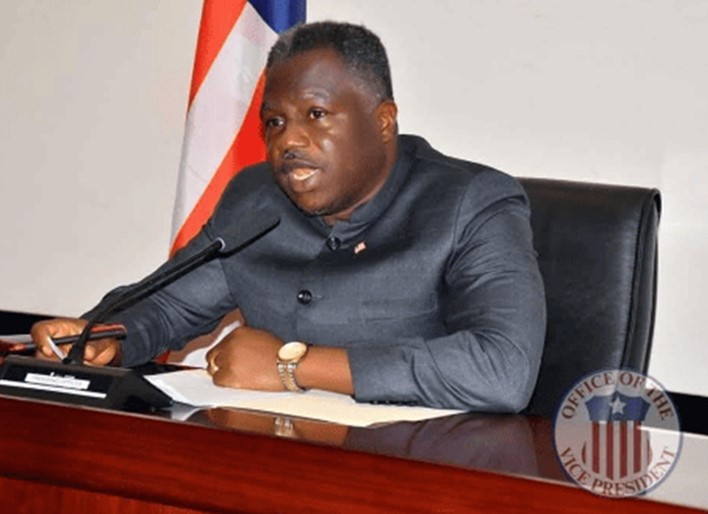
MONROVIA – VICE PRESIDENT Jeremiah Kpan Koung has issued one of the strongest political directives yet to members of the Boakai administration, warning that government officials who fail to rally electoral support for President Joseph Nyuma Boakai in their own communities should not expect to remain in public office. Addressing government officials during Civil Service Day celebrations in Sanniquellie, Koung declared that presidential appointees must justify the confidence reposed in them by translating their appointments into grassroots political support. THE ANALYST reports.
The Warning
In remarks that drew immediate attention, Koung told officials plainly that electoral outcomes in their home communities would determine the fate of their appointments.
“If the election comes tonight and the President wins, we will still look at the numbers and see where the votes came from. If you’re in your community and your people didn’t vote for the President because you are there, you will not get a job.”
The Vice President stressed that officials who have been entrusted with positions by President Boakai must, in turn, empower others rather than treat public office as a personal entitlement.
“It’s a privilege for you to get a job. You’re not the only qualified person. You’re not the smartest person in the country. The President empowered you; empower somebody.”
Koung repeatedly emphasized that political influence should begin at home, telling officials that if they cannot build support nationwide, they should at least ensure that the President enjoys overwhelming backing in their own hometowns and communities.
2029 Signals
The remarks represent one of the clearest public articulations yet of the political expectations being placed on presidential appointees. While President Boakai has not publicly declared whether he intends to seek another term, Koung’s comments are likely to be interpreted as a strong indication that electoral considerations are already shaping internal expectations within the administration.
For months, questions surrounding President Boakai’s political future have remained largely unanswered. The President and many of his senior political allies have consistently avoided making definitive public pronouncements about another presidential bid, even as debate over his age and the prospects of a re-election campaign has intensified in political circles.
Against that backdrop, Koung’s warning is expected to fuel speculation that the administration is quietly laying the groundwork for another electoral contest — measuring officials not only by administrative performance but also by their political effectiveness at the grassroots.
The Broader Message
His comments also speak to a broader concern that resonates with many Liberians. During election campaigns, aspiring politicians and future government officials are often visible in every corner of their communities — walking from house to house, attending funerals and weddings, joining local meetings, answering late-night phone calls, and promising accessible leadership.
Yet once appointments are secured, many retreat behind the walls of government offices, tinted vehicles, and layers of protocol, becoming increasingly detached from the very communities whose support helped elevate them.
Koung’s message appears intended to reverse that pattern. By urging officials to remain engaged with their hometowns and to “empower somebody,” he suggested that public office should produce visible benefits for local communities and sustained political engagement rather than personal prestige.
Political and Constitutional Debate
At the same time, the Vice President’s remarks are likely to ignite debate over the proper boundaries between public administration and partisan politics. Critics may question whether tying the security of government appointments to electoral performance risks politicizing public service, while supporters may argue that presidential appointees owe a duty of political loyalty to the administration that appointed them.
Either way, Koung’s unusually candid remarks have shifted attention from a ceremony honoring Liberia’s civil servants to a broader national conversation about governance, political accountability, and the expectations the Boakai administration now places on those serving in government.
Comments are closed.