
Fadiga Warns Liberia Faces Drug Storm -Questions anti-drug resolve, raises cartel concerns
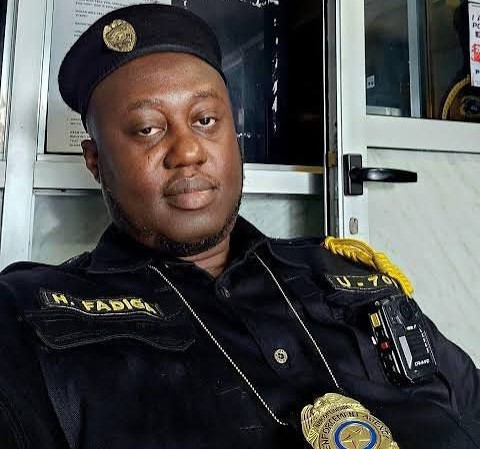
MONROVIA – Public debate surrounding Liberia’s US$19 million cocaine seizure continues to widen as former Liberia Drug Enforcement Agency officials weigh in on the broader implications of the case. The intervention by former Deputy Director General of LDEA, Hassan Fadiga shifts attention beyond the immediate investigation to concerns about institutional integrity, corruption, and the influence of organized narcotics networks. His remarks underscore anxieties about whether law enforcement institutions possess the independence and resolve required to confront sophisticated criminal enterprises. At stake is not only the outcome of a high-profile prosecution but also public confidence in Liberia’s capacity to enforce the rule of law impartially and effectively. THE ANALYST reports.
Former Deputy Director General of the Liberia Drug Enforcement Agency (LDEA), Hassan Fadiga, has issued a warning about Liberia’s fight against narcotics, expressing concerns that compromise, corruption, and the influence of drug trafficking networks could undermine efforts to bring those responsible for the recent US$19 million cocaine seizure to justice.
Fadiga’s comments come as the investigation into the seizure of approximately 237.6 kilograms of cocaine at Roberts International Airport continues to attract national attention and public scrutiny. The former LDEA official argued that the case raises broader concerns about the strength of public institutions, the independence of the justice system, and Liberia’s capacity to confront organized criminal networks.
Lessons From Anti-Drug Training
Reflecting on his training at the Federal Law Enforcement Training Center (FLETC) in the United States, Fadiga recalled a warning he received from a veteran law enforcement instructor with 27 years of professional experience.
According to Fadiga, the instructor emphasized the importance of maintaining integrity and resisting attempts by narcotics traffickers to cultivate relationships with law enforcement officers. He noted that the instructor warned that accepting gifts, favors, or benefits from drug traffickers could compromise an officer’s independence and judgment.
“Fadiga, I want you to remember this throughout your career—never make a deal with the devil. Drug dealers are devils. I would rather sell my wife than do business with a drug dealer. The moment you accept gifts or favors from them, they own you,” the instructor warned.
Fadiga stated that the lesson remained a guiding principle throughout his career and shaped his understanding of how drug trafficking organizations operate.
Concerns about Drug Networks
According to Fadiga, years of professional experience exposed him to the methods used by narcotics traffickers to protect and expand their criminal operations.
He described drug networks as patient, strategic, and determined organizations that rely on influence, financial resources, secrecy, and their ability to infiltrate systems established to combat criminal activity. He argued that organized drug syndicates often seek to corrupt institutions through bribery, intimidation, and the exploitation of weaknesses within governance structures.
Fadiga further noted that his training at FLETC reinforced the principle that integrity and adherence to the rule of law remain the most effective tools available to law enforcement agencies confronting sophisticated criminal organizations.
Questions about Liberia’s Readiness
Against the backdrop of the ongoing investigation into the US$19 million drug case, Fadiga expressed concern that Liberia faces a significant challenge in confronting what he described as a deeply rooted and well-connected narcotics network.
“From my vantage point, I do not believe the state can be rescued from this storm under the current circumstances. The drug cartel is deeply entrenched, well-connected, and protected by a system that has yet to demonstrate the resolve necessary to dismantle it,” he stated.
He argued that defeating organized drug trafficking would require extraordinary political will, institutional independence, and uncompromising law enforcement action.
Fadiga’s comments also placed Liberia’s experience within a broader West African context, where several countries have struggled with the activities of international narcotics networks seeking to exploit regional transit routes and enforcement weaknesses.
Fears over Case Outcome
The former LDEA official also expressed skepticism regarding the eventual outcome of the high-profile investigation.
“Unfortunately, I fear the US$19 million drug case will be resolved the Liberian way rather than through the rule of law. I sincerely hope I am proven wrong,” he stated.
Despite his concerns, Fadiga expressed hope that authorities would conduct a transparent, independent, and credible judicial process capable of strengthening public confidence in the justice system.
He further warned that narcotics trafficking carries consequences extending beyond law enforcement concerns, including addiction among young people, family instability, increased criminal activity, and growing pressure on social and healthcare systems.
Concluding his message, Fadiga called on Liberians to pray for the country and cautioned that, without decisive intervention, Liberia could face significant challenges over the next 16 months.
As authorities continue investigating one of the country’s largest drug seizures in recent years, Fadiga maintained that the case represents a critical test of national integrity, institutional strength, and Liberia’s commitment to the rule of law.
Comments are closed.