

Nimba Audit Findings Trigger Accountability Calls -Bility raises questions surround millions in spending
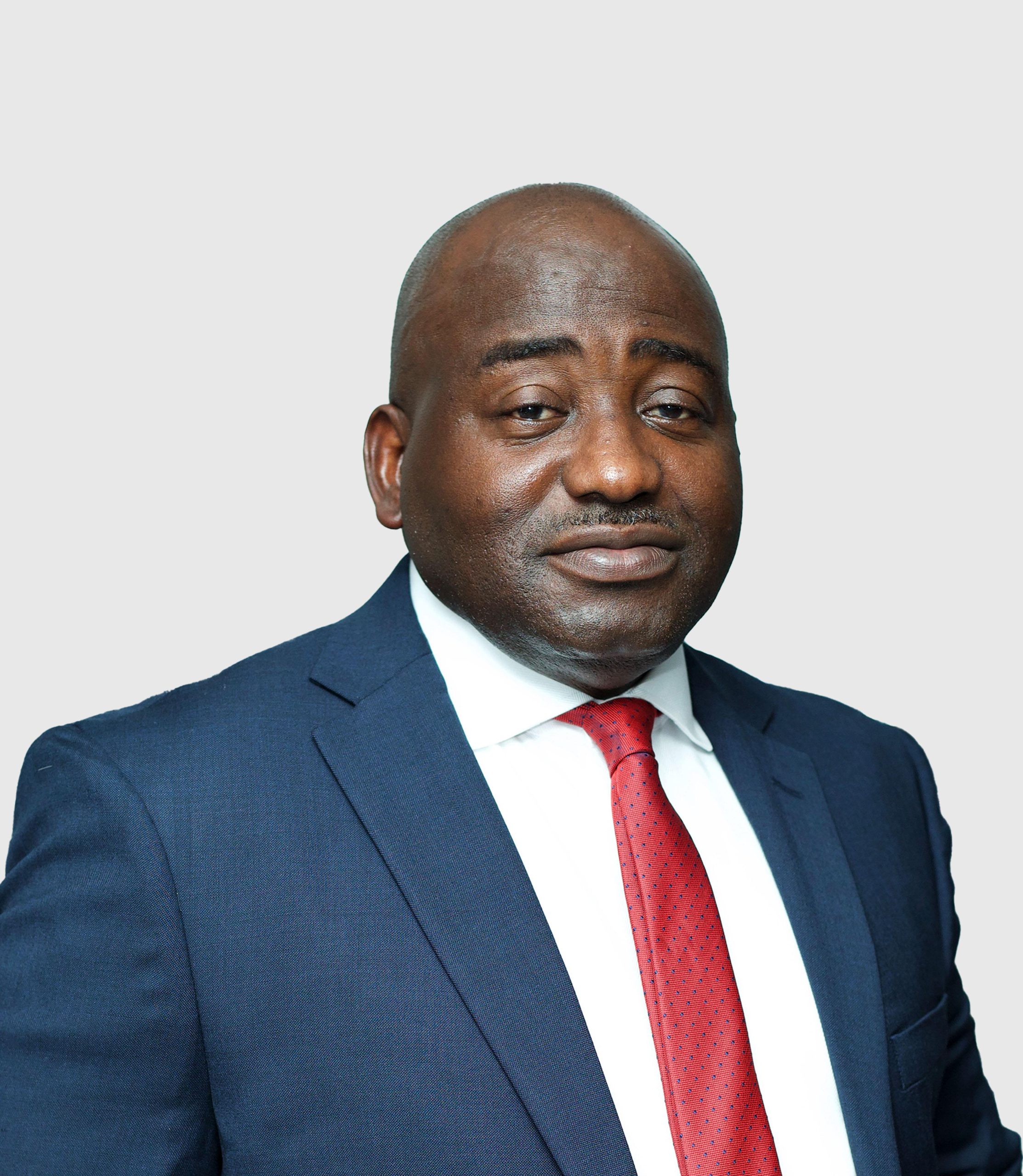
MONROVIA – The release of an audit report covering Nimba County’s administration between 2018 and 2023 has reignited a longstanding national debate over accountability, transparency, and the management of public resources in Liberia’s counties. At the center of the growing controversy are questions surrounding more than US$12 million reportedly expended without adequate accounting, prompting demands for answers from current and former public officials. For many observers, the issue extends beyond Nimba County itself and speaks directly to the credibility of decentralization, local governance, and public financial oversight nationwide. Now, opposition political leader and Nimba lawmaker Musa Hassan Bility is demanding consequences where wrongdoing is established, as THE ANALYST reports.
BILITY THROWS WEIGHT BEHIND AUDIT FINDINGS
Political Leader of the Citizens Movement for Change (CMC) and Nimba County District #7 Representative Musa Hassan Bility has intensified growing calls for accountability following the publication of an audit report covering the Nimba County Administration from 2018 to 2023, arguing that the findings present a critical opportunity to establish a new culture of transparency and financial responsibility in Liberia’s largest county.
In a strongly worded public statement responding to the audit, Bility endorsed concerns earlier raised by fellow Nimba politician Hon. Taa Wongbe and insisted that the findings must not be ignored or reduced to another government report that generates headlines but fails to produce meaningful action.
The lawmaker described the audit as a significant test of Liberia’s commitment to accountability and warned that public confidence in governance would suffer if the findings are not thoroughly investigated and acted upon.
“I fully concur with the statement of Hon. Taa Wongbe, and I believe his position must mark the beginning of a serious demand for accountability in Nimba County,” Bility declared.
COMMENDS CURRENT COUNTY LEADERSHIP
Before addressing the substance of the audit findings, Bility commended the current Nimba County Administration for requesting the audit and opening the county’s books to independent scrutiny.
According to him, the decision demonstrated political courage and reflected a willingness to subject public institutions to accountability mechanisms.
He also praised government institutions responsible for conducting and facilitating the audit process.
“Let me first commend the current Nimba County Administration for requesting this audit. That decision was bold, necessary, and in the best interest of the county,” he stated.
Political observers note that audits of county administrations have often generated controversy because they expose weaknesses in public financial management and frequently trigger political disagreements among local leaders and stakeholders.
For Bility, however, the value of the exercise lies in its ability to provide citizens with a clearer picture of how public resources have been managed.
US$12 MILLION QUESTIONS SPARK OUTRAGE
The most troubling aspect of the report, according to the CMC leader, concerns findings indicating that more than US$12 million in county resources were reportedly expended without proper accountability.
Bility argued that the issue cannot be dismissed as a mere administrative oversight or bookkeeping problem.
Rather, he described it as a serious breach of public trust involving resources intended to improve the lives of ordinary citizens.
“For more than US$12 million of county resources to be expended without proper accountability is not a small administrative mistake. It is unacceptable. It is a betrayal of public trust,” he asserted.
The lawmaker argued that the controversy is particularly troubling given the development challenges that continue to affect many communities throughout Nimba County.
“It is an insult to the ordinary people of Nimba County who continue to live without roads, clinics, schools, water, jobs, and basic services,” he added.
His comments reflect growing public frustration across Liberia regarding the gap between public expenditures and visible development outcomes in many counties.
FORMER OFFICIALS MUST ANSWER QUESTIONS
Bility maintained that accountability should not be narrowly focused on a few individuals.
Instead, he argued that all officials and institutions involved in the management, supervision, or oversight of county resources during the period under review must answer questions raised by the audit.
According to him, former county administrators and county leadership figures who exercised authority over county resources have a responsibility to explain how public funds were utilized.
“The former managers of the county must account. The former county leadership must account,” he declared.
He emphasized that accountability cannot be selective and must apply equally to all persons who occupied positions of authority during the audited period.
The statement is expected to increase pressure on former county officials to publicly address concerns raised by the report.
LEGISLATIVE CAUCUS ALSO UNDER SCRUTINY
One of the most politically sensitive aspects of Bility’s statement involved his call for scrutiny of the Nimba County Legislative Caucus.
According to him, lawmakers who exercised influence over county affairs during the period covered by the audit must also explain their roles in decisions affecting county resources.
“The Legislative Caucus that exercised influence and control over county matters during that period must account,” he said.
The remarks are likely to generate debate because county caucuses often play significant roles in development planning, budget discussions, project prioritization, and oversight activities.
Bility suggested that accountability efforts would be incomplete if legislators who influenced county spending decisions are excluded from scrutiny.
RAISES CONFLICT OF INTEREST CONCERNS
The Nimba lawmaker also raised concerns about possible ethical violations involving public officials who may have occupied multiple roles simultaneously.
He specifically referenced reports that some lawmakers may have served as consultants to county structures while exercising legislative oversight responsibilities.
According to Bility, such arrangements raise serious conflict-of-interest concerns.
“And any member of the Legislature who served as a consultant to county structures while also exercising public oversight must answer for that clear conflict of interest and ethical violation,” he stated.
“You cannot be referee, player, and beneficiary at the same time.”
The comments underscore broader national concerns regarding governance ethics and the separation of oversight responsibilities from direct financial interests.
ACCOUNTABILITY MUST APPLY TO EVERYONE
Bility argued that public officials who frequently advocate transparency and accountability must themselves be prepared to undergo scrutiny when questions arise.
He maintained that accountability cannot be reserved exclusively for political opponents.
“Those who beat the drums of transparency across Liberia must now submit themselves to transparency,” he declared.
“Those who speak loudly about fairness must now face the fairness of accountability.”
The statement reflects increasing public demands for consistency in governance standards regardless of political affiliation or status.
According to governance advocates, public trust is strengthened when accountability principles are applied equally across all sectors of government.
AUDIT MUST LEAD TO ACTION
Perhaps the strongest message contained in Bility’s statement was his insistence that the audit must produce concrete consequences where wrongdoing is established.
He warned against a familiar pattern in which audit reports are published but never translated into legal or administrative action.
“I therefore call on the proper authorities to take this audit seriously,” he urged.
“Where the audit shows misuse, abuse, conflict of interest, or violation of law, the necessary legal and administrative actions must follow.”
The lawmaker emphasized that accountability efforts become meaningless when findings are ignored.
“Audit without action is only paperwork. Accountability must have consequences.”
The remarks are expected to resonate with anti-corruption advocates who have long criticized the failure to implement recommendations contained in public audits.
CURRENT ADMINISTRATION SHOULD ALSO BE AUDITED
While demanding accountability for previous administrations, Bility cautioned against creating the impression that scrutiny should be directed exclusively toward former officials.
He argued that transparency must apply equally to current authorities.
Accordingly, he called for regular audits of county finances and urged public disclosure of revenues and expenditures since 2024.
“Nearly three years into the current administration, Nimba County and other counties must also be audited,” he said.
“The people of Nimba deserve to know how much money has come to the county since 2024, how it was spent, who approved the spending, and what the county received in return.”
The proposal aligns with growing calls for institutionalized annual audits as a standard feature of county governance.
FROM RESOURCE COMPLAINTS TO RESOURCE ACCOUNTABILITY
For years, Nimba County leaders and citizens have complained that the county was not receiving its fair share of national resources.
Bility argued that the publication of the audit shifts attention toward a different but equally important question.
“For years, Nimba was told that it was not receiving its fair share. Now the question is simple: whatever Nimba received, where did it go?” he asked.
“The people deserve answers.”
The statement highlights a broader governance challenge confronting many counties where debates about resource allocation increasingly intersect with questions regarding resource utilization.
CALLS FOR NEW ACCOUNTABILITY STANDARD
The CMC Political Leader called on the Nimba County Superintendent, the Ministry of Internal Affairs, and the Nimba County Legislative Caucus to institutionalize regular audits, strengthen transparency measures, and establish stronger accountability mechanisms governing public expenditures.
He urged authorities to use the current audit as an opportunity to establish a new governance culture rooted in openness and public trust.
“Let this audit be the beginning of a new standard,” Bility declared.
“No cover-up. No selective justice. No political protection. No sacred cows.”
Concluding his statement, the lawmaker reiterated that public officials entrusted with managing public resources must remain accountable to the citizens they serve.
“Public money belongs to the people. Anyone who managed it must account for it.”
As public debate over the audit continues to intensify, pressure is expected to mount on government authorities to determine whether the findings warrant investigations, prosecutions, administrative sanctions, or broader reforms in county financial management systems. The controversy has now moved beyond the pages of an audit report and into a larger national conversation about accountability, governance, and the stewardship of public resources in Liberia.
Comments are closed.