

CDC Demands Inquiry Into Border Tensions-Says Sovereignty Must Beat Private Interests
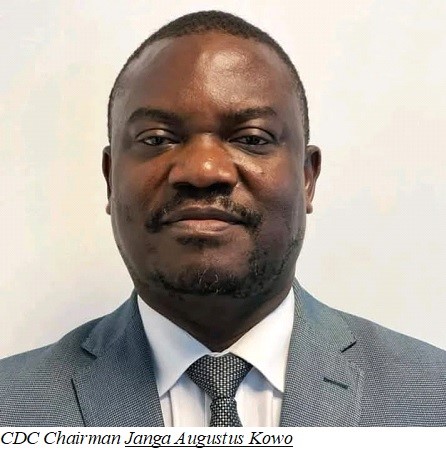
The Coalition for Democratic Change has entered the Liberia-Guinea border controversy with a sharply worded statement that casts the crisis not only as a national security concern, but also as a possible test of whether private interests are being placed above state sovereignty. In language aimed directly at President Joseph Boakai, the opposition party says reports linked to alleged mining activities around the Makona River must be fully investigated and clarified before the matter deepens into a wider regional problem. As THE ANALYST reports, the CDC’s intervention adds a strong partisan layer to an already sensitive dispute, raising the political stakes around accountability, border management, and official conduct at a moment when public anxiety remains high.
The opposition Coalition for Democratic Change has called for a full investigation into the immediate causes of the Liberia-Guinea border tension, arguing that patriotism requires not silence, but accountability when national sovereignty may be at risk.
In a statement issued Tuesday, the CDC said Liberia cannot afford confusion, evasiveness, or protection for individuals whose conduct may have contributed to tension along the country’s frontier. The party said the central issue is whether alleged private interests tied to activity around the Makona River may have endangered Liberia’s security and territorial integrity.
The CDC framed the matter as one that demands decisive presidential leadership. According to the party, moments of border instability require clarity, transparency, and a willingness by the Head of State to act in defense of the republic above all personal or political considerations.
At the center of the party’s concern are reports about mining-related activity on or around the Makona River and claims that Guinean authorities seized Liberian equipment. The CDC asked whether any lawful mining authorization existed for the activity in question and said the government must provide the public with a clear account of what occurred.
The party also referenced local reports suggesting that mining or sand extraction in the area may be linked to a controversial project in Foya, though it did not provide documentary proof in the text of its release. It used those reports to argue that national security questions cannot be separated from demands for domestic accountability.
The CDC commended regional diplomacy, including efforts by the Mano River Union, but said a diplomatic calming of the situation should not substitute for an internal inquiry into what triggered the dispute in the first place.
According to the party, true patriotism includes asking hard questions when the state may have been exposed to unnecessary danger. It warned that remaining silent in such a moment would amount to negligence rather than loyalty.
The statement therefore calls on the government to investigate the seizure of equipment, clarify the legal status of activities on the Makona River, and make public the circumstances that pushed the dispute into a dangerous phase.
The CDC’s intervention is likely to intensify political scrutiny of the government’s handling of the border matter, especially as public debate continues over whether the crisis was purely territorial, partly commercial, or exacerbated by the conduct of politically connected individuals.
For the opposition, the message is straightforward: Liberia’s sovereignty must never be subordinated to alleged private gain, and any official whose actions contributed to the crisis must be held to account.
Comments are closed.