

EJS Warns Against Ebola Complacency -Urges Govt, Citizens Pursue urgent national preparedness
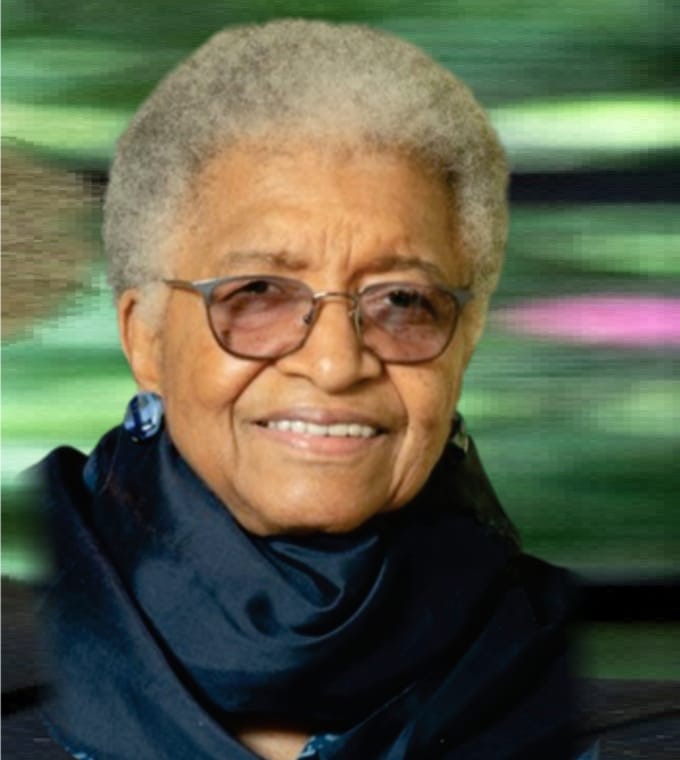
MONROVIA – Liberia’s painful memories of the Ebola catastrophe have resurfaced sharply following renewed public health concerns that have prompted former President Ellen Johnson Sirleaf to issue a rare but urgent national appeal calling for preparedness, vigilance, and coordinated response measures before the situation escalates into a full-blown crisis. Drawing from her internationally recognized leadership during the devastating Ebola outbreak that once crippled Liberia’s fragile healthcare system and economy, Sirleaf is urging government health authorities, community responders, and ordinary citizens to act swiftly while panic remains avoidable. Her intervention arrives at a delicate moment when public anxiety, institutional readiness, and national confidence in emergency response systems are once again being quietly tested across Liberia’s already vulnerable public health environment, as THE ANALYST reports.
Ebola Memories Return
Former President Ellen Johnson Sirleaf has issued a strong public appeal urging the Government of Liberia, health authorities, community responders, and ordinary citizens to immediately begin proactive preparedness measures amid emerging public health concerns that are beginning to generate unease across parts of the country.
The former Liberian leader, internationally recognized for steering Liberia through one of the darkest periods in its modern history during the Ebola epidemic, warned against complacency while simultaneously cautioning the public against panic, emphasizing that vigilance, early coordination, and rapid institutional response remain essential in preventing any potential national health emergency from spiraling out of control.
The message, transmitted through Cornelia Greene-Wesley, Executive Assistant in the Office of Former President Ellen Johnson Sirleaf, carries both symbolic and practical significance because it comes from a stateswoman whose leadership during the Ebola crisis earned global recognition at a time Liberia’s healthcare system stood dangerously close to collapse.
“As one who with the official and international teams led and successfully defeated the Ebola virus that devastated our country, I urge our government, particularly the Minister of Health and her team to mobilize relevant Action Responders such as Community Health Workers and seek materials such as vaccines, PPEs, etc.,” the former President stated in the communication.
The intervention immediately rekindled painful national memories of Liberia’s Ebola nightmare, a period during which thousands of Liberians lost their lives, healthcare workers died in alarming numbers, communities were devastated, public fear overwhelmed institutions, and the nation’s already fragile economy suffered severe setbacks.
For many Liberians, Sirleaf’s warning carries unusual moral and political weight precisely because she governed during that catastrophic period and personally led many of the difficult national and international coordination efforts that eventually helped contain the deadly outbreak.
Call For Early Preparedness
Analysts say her latest comments reflect growing awareness among experienced policymakers that Liberia cannot afford institutional complacency when dealing with emerging public health threats, particularly given the country’s still limited healthcare infrastructure, resource constraints, and continuing vulnerability to regional outbreaks.
Importantly, Sirleaf did not frame the current situation as an immediate crisis. Instead, her message appeared carefully calibrated to encourage preparedness without provoking widespread fear or public hysteria.
“I join members of the local authorities and other voices, who urge citizens and residents to remain calm, as we are not facing a crisis,” she stated. “But it is important to take important personal measures, such as refraining from handshakes, and other forms of unnecessary interactions.”
That balancing act between vigilance and calmness is widely viewed as deliberate.
Public health experts have long warned that delayed responses and institutional hesitation often worsen outbreaks, particularly in countries where healthcare systems remain under-resourced and heavily dependent on external support mechanisms during emergencies.
Sirleaf’s message strongly emphasized the importance of early mobilization, coordination, and international engagement before any health threat gains momentum.
She specifically urged Liberian authorities to seek guidance and technical cooperation from the World Health Organization through both its national and regional offices, including the regional office in Nairobi, Kenya, which she referenced having visited recently during an Elders meeting.
Observers say that aspect of her statement reveals concern not merely about domestic preparedness, but also about Liberia’s ability to maintain rapid communication and coordination with international health institutions capable of providing emergency technical assistance, logistical support, surveillance coordination, and medical supplies if necessary.
Community Health Workers Reemerge
The former President’s emphasis on mobilizing Community Health Workers is also being interpreted as highly strategic.
During the Ebola epidemic, community health workers emerged as some of the most critical frontline actors in awareness campaigns, local surveillance, contact tracing, public education, and early intervention efforts, especially in remote and underserved communities where formal healthcare systems remained weak or inaccessible.
Public health analysts note that Liberia’s community health structures, though improved since Ebola, continue to face serious operational limitations involving funding, staffing, logistics, transportation, training continuity, and access to emergency materials.
Sirleaf’s specific mention of vaccines and Personal Protective Equipment additionally highlights concerns surrounding emergency stockpiles and Liberia’s readiness to respond rapidly should circumstances deteriorate unexpectedly.
The Ebola experience exposed severe weaknesses across West Africa in emergency preparedness systems, including shortages of protective equipment, delayed response coordination, weak disease surveillance, and limited laboratory capacities.
In Liberia, the consequences became especially devastating because healthcare infrastructure was already struggling under years of underinvestment and post-war reconstruction pressures.
Trauma Still Haunts Liberia
At the peak of the Ebola crisis, fear spread almost as rapidly as the disease itself. Entire communities became isolated, hospitals shut down services, schools closed, economic activity slowed dramatically, and trust between citizens and institutions weakened dangerously.
Many Liberians still vividly remember the trauma associated with quarantine zones, overwhelmed treatment centers, deaths of healthcare professionals, and widespread uncertainty that engulfed the nation during the epidemic.
It is against that historical backdrop that Sirleaf’s latest intervention is now resonating strongly within political, public health, and civic circles.
Some observers believe the former President’s comments may also reflect concern over broader institutional readiness within the current public health system, especially given persistent challenges involving healthcare financing, workforce capacity, medical supply chains, and emergency response logistics.
Although Liberia has made notable improvements in disease surveillance and emergency coordination mechanisms since Ebola, experts warn that serious structural vulnerabilities remain.
Rural healthcare access continues to present enormous challenges. Many clinics remain under-equipped. Medical staffing shortages persist in several counties. Emergency transportation systems remain weak in remote regions. And dependence on donor-supported interventions continues to shape significant portions of the health sector.
Analysts say that in such circumstances, early preparedness becomes not merely advisable but essential.
Balancing Calm With Vigilance
Sirleaf’s message also appears designed to reinforce social responsibility among ordinary citizens, particularly regarding behavioral precautions and public cooperation during periods of heightened health concern.
Her recommendation that citizens temporarily refrain from unnecessary handshakes and close physical interactions echoes many of the behavioral adaptation strategies promoted during previous outbreaks.
Public health specialists note that one of the greatest challenges during disease outbreaks often involves balancing public awareness with public fear.
Excessive panic can overwhelm systems prematurely, fuel misinformation, damage economic activity, and generate social instability. But underestimating risks can prove equally dangerous by delaying response measures until containment becomes far more difficult and costly.
Sirleaf’s statement therefore appears carefully structured to encourage alertness without alarmism.
“Let me say that we all have stood together to address threat to our country, and this is just my call to urge us to do so right now,” the former President declared.
That appeal to collective national unity carries echoes of Liberia’s Ebola-era messaging, when cooperation between communities, government institutions, healthcare workers, religious organizations, international partners, and civil society became indispensable in eventually overcoming the outbreak.
Renewed Questions About Readiness
Political observers additionally note that Sirleaf’s intervention arrives during a period when public confidence in institutional capacity across several sectors of national governance remains under active public scrutiny.
Consequently, voices associated with past crisis management experience may carry unusual influence in shaping public perceptions and encouraging institutional urgency.
The Office of Former President Ellen Johnson Sirleaf has historically remained relatively restrained regarding direct interventions into sensitive ongoing national policy matters, making the present statement particularly noteworthy.
For some Liberians, the message is reassuring because it suggests experienced national leadership figures remain attentive to emerging public concerns and willing to encourage preventive action early rather than waiting for situations to worsen.
For others, however, the intervention may also quietly expose lingering anxieties about whether Liberia’s public health systems are sufficiently prepared to withstand another major emergency if confronted with a rapidly escalating outbreak scenario.
Within government circles, health authorities are expected to face growing public pressure to demonstrate visible preparedness, strengthen communication efforts, reassure citizens, and coordinate transparently with international health partners.
Lessons From Ebola Resurface
Public health experts argue that the success or failure of emergency response systems is often determined long before a crisis formally arrives.
Preparedness planning, surveillance coordination, public communication, logistical readiness, medical supply stockpiling, healthcare workforce mobilization, and community engagement frequently determine whether outbreaks are contained early or allowed to escalate into national disasters.
For Liberia, those lessons were written painfully during Ebola.
That reality explains why even cautious warnings from figures associated with that era continue to command serious national attention today.
And as memories of one of Africa’s deadliest public health catastrophes quietly return to national consciousness, Sirleaf’s message appears intended to remind Liberia of one enduring lesson learned through tragedy: when confronting possible health threats, hesitation can become dangerously expensive, but preparedness can save an entire nation.
Comments are closed.