

April Tragedies Demand National Reflection-OWECC-L urges justice, accountability action
MONROVIA – As Liberia pauses to remember some of the most painful chapters in its history, renewed calls for justice and accountability are gaining urgency within the national discourse. The month of April, marked by defining moments of unrest, political upheaval, and civil conflict, continues to cast a long shadow over the country’s collective memory. Now, with progress reported toward establishing long-awaited accountability mechanisms, the challenge lies in transforming remembrance into decisive action. The appeal by transitional justice advocates reflects a broader tension between memory and reform, as Liberia seeks to reconcile its past while strengthening its democratic future. The question remains whether political will can finally match public expectation, As THE ANALYST reports.
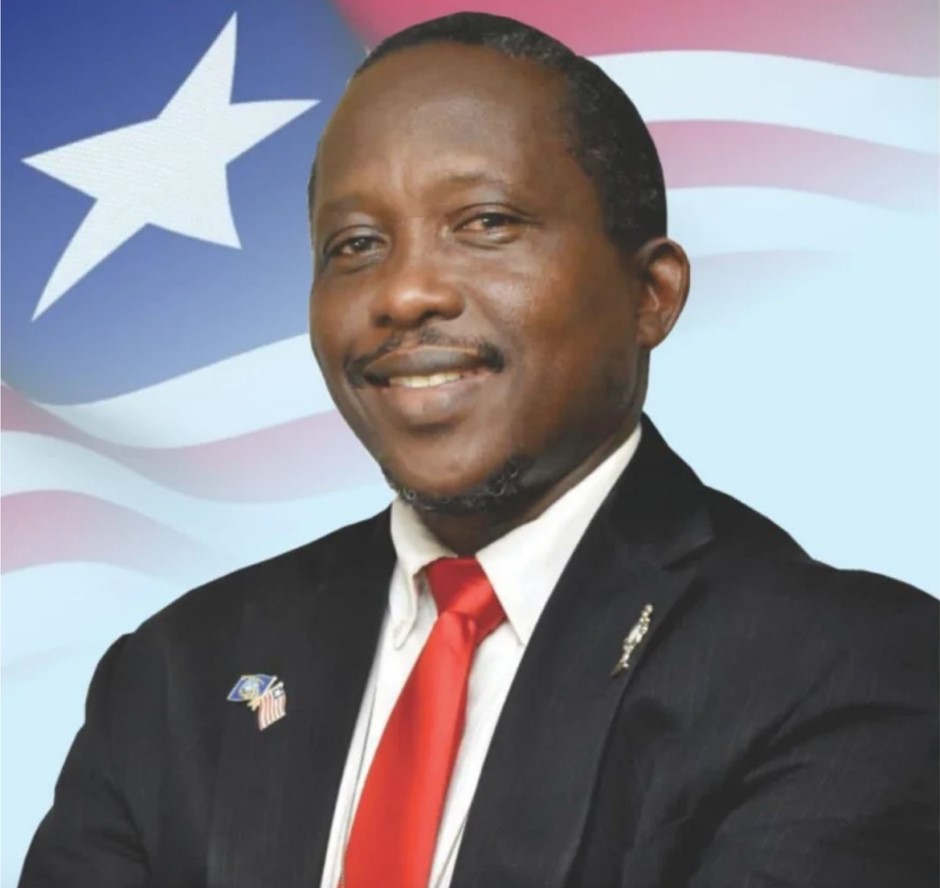
In a solemn and pointed appeal to the conscience of the nation, the Executive Director of the Office for the Establishment of War and Economic Crimes Court for Liberia, Dr. Jallah Barbu, has called on Liberians at home and abroad to engage in deep national reflection on three of the most painful and defining events in the country’s history, all of which occurred in the month of April. The call, delivered in a press statement issued on April 6, 2026, underscores both the enduring weight of Liberia’s past and the growing urgency to confront impunity through concrete justice mechanisms.
The statement situates April as a month of profound historical significance, marked by events that have shaped Liberia’s political, social, and institutional trajectory. Dr. Barbu identified April 14, 1979; April 12, 1980; and April 6, 1996 as pivotal dates that continue to resonate in the nation’s collective memory, each representing a moment of rupture with far-reaching consequences.
The first of these, April 14, 1979, commonly referred to as the Rice Riots, began as a protest against economic hardship and rising commodity prices.
What started as a demonstration quickly escalated into widespread unrest, resulting in loss of life, destruction of property, and a deepening of public discontent.
The riots exposed underlying socio-economic tensions and signaled a growing disconnect between the state and its citizens.
Less than a year later, on April 12, 1980, Liberia was thrust into a new and uncertain era with a violent military coup that dismantled existing governance structures.
The coup not only ended a long-standing political order but also ushered in a period of instability, fear, and institutional fragility.
For many Liberians, this moment marked the beginning of a prolonged struggle to redefine the nation’s political identity.
Years later, on April 6, 1996, the country experienced one of the most devastating episodes of its civil conflict.
The violence that unfolded during this period was characterized by mass killings, the destruction of entire communities, and the infliction of deep and lasting trauma on survivors and families. The scars of this conflict remain visible today, both in the memories of those who lived through it and in the ongoing challenges of national reconciliation.
“These events are not just dates on the calendar,” Dr. Barbu emphasized. “They are solemn reminders of the human cost of conflict, the fragility of peace, and the consequences of impunity.”
His words reflect a broader recognition that Liberia’s past cannot be relegated to history alone but must be actively engaged as part of the nation’s ongoing journey toward justice and reconciliation.
Central to Dr. Barbu’s message is the assertion that remembrance must go beyond symbolic reflection. While acknowledging the importance of honoring the victims and acknowledging the past, he stressed that true national healing requires decisive action.
In particular, he highlighted the urgent need to conclude the legislative process necessary to establish both the War and Economic Crimes Court and the Anti-Corruption Court.
According to the statement, the draft legislation for these courts has been completed since December 2025, suggesting that the primary barrier to their establishment is no longer technical but political.
This reality places the spotlight squarely on Liberia’s leadership, raising questions about the level of political will to advance accountability measures that have long been demanded by victims, civil society, and international partners.
Dr. Barbu reassured Liberians that the process leading to the establishment of the War and Economic Crimes Court is well advanced, expressing confidence that justice and accountability are within reach.
However, this assurance is tempered by the recognition that delays in implementation risk undermining public confidence and prolonging the sense of unresolved injustice that has persisted for decades.
The call to action extended beyond government institutions to include civil society organizations, international partners, and community leaders. Dr. Barbu emphasized that national healing is a collective responsibility, requiring the active participation of all stakeholders.
“Every Liberian has a role to play,” he stated, reinforcing the idea that the pursuit of justice is not solely the domain of the state but a shared national endeavor.
The significance of the statement lies not only in its content but also in its timing. As Liberia continues to navigate contemporary challenges related to governance, economic development, and social cohesion, the question of how to address historical injustices remains central to the country’s long-term stability. The events of April serve as a stark reminder of the consequences of unresolved grievances and the dangers of allowing impunity to persist.
For many observers, the renewed push for the establishment of accountability mechanisms reflects a broader shift in the national conversation.
There is an increasing recognition that sustainable peace cannot be achieved without justice, and that reconciliation requires more than dialogue—it requires concrete measures to hold perpetrators accountable and to acknowledge the suffering of victims.
At the same time, the path toward establishing such mechanisms is not without challenges. Political sensitivities, institutional constraints, and competing priorities have all contributed to delays in the past. The question now is whether the current momentum can overcome these obstacles and translate into tangible progress.
The international dimension of the issue further underscores its importance. Liberia’s efforts to establish a War and Economic Crimes Court have been closely watched by international partners, many of whom have expressed support for transitional justice initiatives.
The successful establishment of such a court would not only address domestic demands for accountability but also reinforce Liberia’s commitment to international norms and standards.
Within the country, public opinion remains divided, reflecting a complex interplay of perspectives on justice, reconciliation, and national unity.
While many advocate for accountability as a means of achieving closure and preventing future abuses, others express concerns about the potential for renewed tensions. Navigating these perspectives will require careful leadership and a commitment to inclusive dialogue.
Dr. Barbu’s call for reflection and action thus resonates at multiple levels—historical, political, and moral.
It challenges Liberians to confront their past with honesty and courage, while also urging leaders to take the necessary steps to ensure that the lessons of history are translated into meaningful reform.
As the nation reflects on the events of April, the broader question remains: can Liberia move beyond remembrance to realization? Can the pain of the past be transformed into a foundation for justice, accountability, and lasting peace?
The answer to these questions will depend not only on the actions of those in positions of authority but also on the collective will of the Liberian people.
In this sense, the call issued by the Office for the Establishment of War and Economic Crimes Court for Liberia is both a reminder and a challenge—a reminder of where the nation has been, and a challenge to determine where it will go next.
As the echoes of April’s tragedies continue to reverberate, the path forward remains clear yet demanding: to ensure that the past is neither forgotten nor repeated, and that justice, long deferred, is finally delivered.
Comments are closed.