
Nimba Lawmaker Unveils Major Reform Agenda-Bility Submits 4 Bills Targeting Elections, Finance
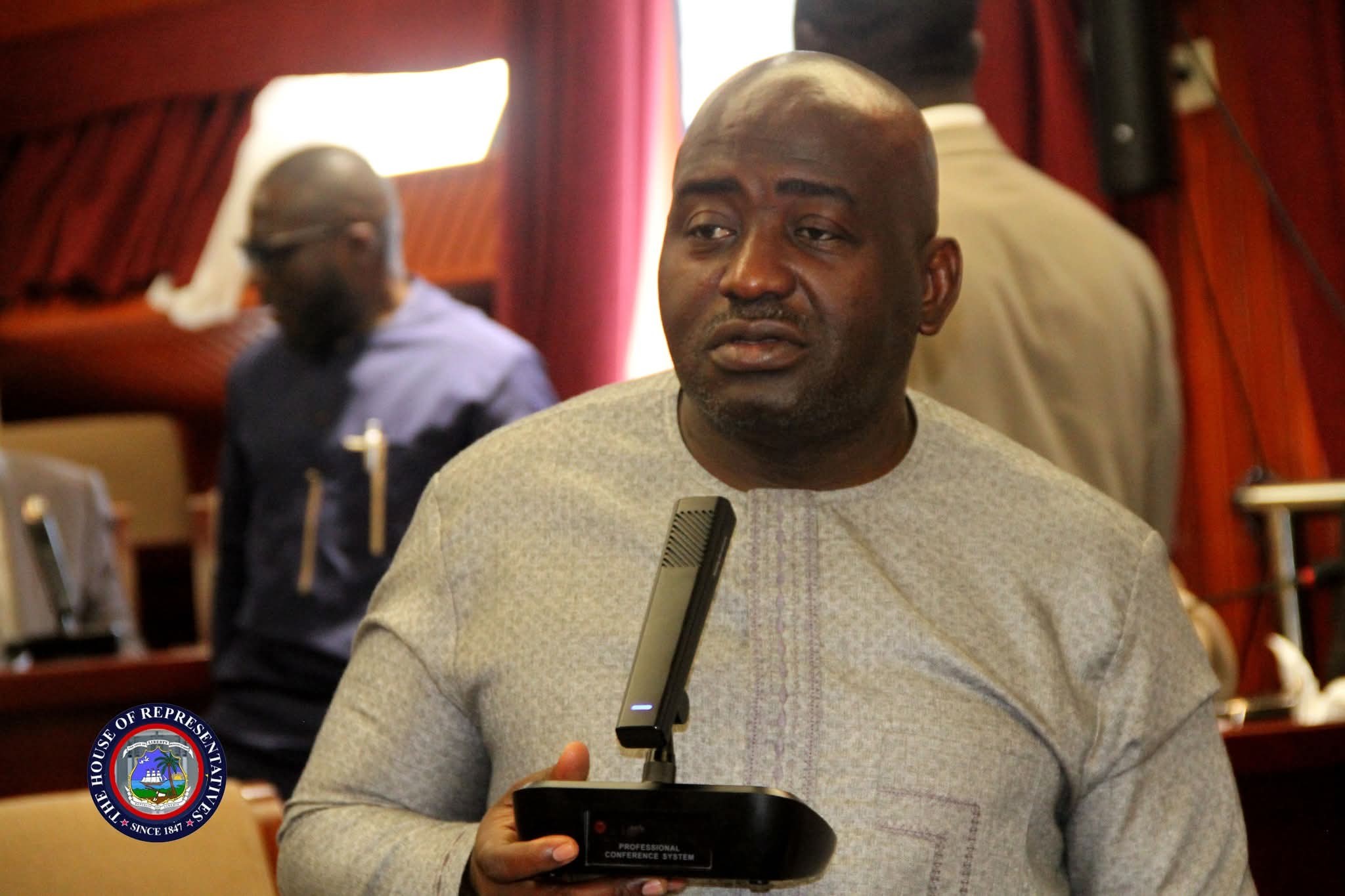
MONROVIA – Liberia’s democratic evolution and economic recovery continue to hinge on reforms that strengthen institutions while expanding opportunities for citizens. In recent years, debates about electoral integrity, political accountability, and access to finance have increasingly dominated the national conversation. These issues are not merely technical policy concerns; they strike at the core of how democracy functions and how the economy supports ordinary Liberians. Against this backdrop, Representative Musa Hassan Bility of Nimba County has introduced a set of legislative proposals he believes could address some of the country’s structural weaknesses. His reform agenda, outlined in a policy explainer to the Liberian public, seeks to expand voter participation, strengthen political party discipline, improve credit access, and stimulate productive lending within Liberia’s banking sector. THE ANALYST reports.
Representative Musa Hassan Bility, lawmaker for District #7 in Nimba County, has unveiled a reform agenda aimed at strengthening Liberia’s democratic institutions while promoting economic growth and financial inclusion.
In a policy explainer addressed to the Liberian people, the legislator outlined four legislative proposals which he believes could address key structural weaknesses within the country’s political and economic systems.
The proposed measures focus on expanding democratic participation, protecting the integrity of elections, improving access to credit, and ensuring that Liberia’s banking sector plays a more meaningful role in national development.
According to Representative Bility, the proposed reforms are designed to respond to everyday concerns of Liberian citizens while positioning the country’s democratic and economic systems for greater stability and long-term progress.
“Liberia stands at a moment where important reforms are necessary to strengthen our democracy, improve accountability in politics, and build a stronger economic system that serves the Liberian people,” Bility said.
He emphasized that the legislative agenda is both practical and forward-looking, noting that each of the proposed bills targets a specific institutional challenge facing the country.
Absentee Voting Reform Bill
One of the central pillars of the reform agenda is the Absentee Voting Reform Bill, which seeks to strengthen citizens’ ability to participate in elections when they are unable to physically appear at polling stations on election day.
According to Representative Bility, Liberia’s Constitution recognizes that citizens may vote either in person or by absentee ballot. However, the systems required to implement absentee voting effectively remain limited.
As a result, many Liberians who are eligible to vote are unable to exercise that right.
The lawmaker noted that several categories of citizens are frequently excluded from voting because of their inability to physically reach polling places. These include health workers on duty, security personnel, Liberians traveling for legitimate reasons, hospitalized individuals, elderly citizens, and persons living with disabilities.
Without a functioning absentee voting system, he said, these citizens effectively lose their opportunity to participate in the democratic process.
The proposed legislation would establish a clear legal framework allowing qualified voters to request absentee ballots.
It would also outline verification procedures, ensure the secrecy of ballots, and introduce safeguards designed to prevent fraud or manipulation.
According to Bility, strengthening absentee voting would improve both voter participation and public confidence in the legitimacy of elections.
“Democracy is strongest when every citizen has the opportunity to participate,” he said.
Anti-Defection Bill
The second legislative proposal focuses on strengthening political accountability through the Anti-Defection Bill.
Political parties, Bility noted, serve a critical role in democratic governance by organizing ideas, presenting policy alternatives, and helping voters understand the platforms of candidates seeking public office.
However, he pointed to a growing concern within Liberia’s political system: candidates who run for office under the banner of one political party but later abandon that party after winning election.
Such actions, the lawmaker argued, can undermine the trust voters place in political parties and their platforms.
“When voters support a candidate because of the political party that candidate represents, that relationship should not end immediately after election day,” Bility suggested.
The proposed bill would establish rules governing political party switching by elected officials.
It would define what constitutes defection and outline procedures for addressing such situations while ensuring that due process protections remain in place.
Supporters of the proposal believe it would help preserve the integrity of elections and reinforce the political commitments made to voters during campaigns.
National Credit Bureau Bill
Turning to economic policy, Representative Bility’s reform agenda also includes the National Credit Bureau Bill, which seeks to improve access to credit within Liberia’s financial system.
Access to credit, the lawmaker noted, is one of the most important drivers of economic growth and private sector development.
However, lending decisions are often complicated when financial institutions lack reliable information about borrowers.
In Liberia, banks sometimes hesitate to provide loans because they cannot easily verify a borrower’s credit history. At the same time, some borrowers accumulate loans from multiple financial institutions without transparency.
The proposed legislation would establish a formal national credit bureau system responsible for collecting and sharing credit information within a regulated framework.
Financial institutions would gain access to reliable borrower data, enabling more informed lending decisions.
At the same time, borrowers would be granted the right to review and correct their credit records, ensuring fairness and transparency within the system.
According to Bility, such reforms would encourage responsible borrowing while expanding access to finance for Liberian entrepreneurs, small businesses, and households.
Deposit and Loan Ratio Reform Bill
The fourth legislative proposal focuses on the role of commercial banks in supporting economic development.
Under the proposed Deposit and Loan Ratio Reform Bill, banks would be encouraged to maintain a more balanced relationship between the deposits they collect and the loans they issue to businesses and individuals.
Commercial banks play a central role in mobilizing financial resources within the economy. However, when deposits are collected but only a small portion is reinvested into productive lending, economic activity can stagnate.
Bility said the proposed legislation would encourage banks to lend a greater share of their deposits back into the Liberian economy while remaining under the regulatory supervision of the Central Bank of Liberia.
Such a reform, he argued, could help stimulate economic growth by increasing the availability of financing for small businesses and entrepreneurs.
“A stronger connection between bank deposits and lending activity will help stimulate economic growth and expand opportunities for Liberian entrepreneurs,” he said.
Reform Agenda for National Development
Taken together, Representative Bility said the four proposed bills form part of a broader effort to strengthen Liberia’s democratic institutions and economic foundations.
The reform agenda seeks to expand voter access, reinforce the mandate given to elected officials by voters, improve the country’s credit infrastructure, and ensure that financial institutions contribute more actively to national development.
“These four bills represent a practical reform agenda designed to strengthen democracy, restore confidence in political institutions, and promote economic opportunity in Liberia,” Bility explained.
By addressing both political governance and financial sector development, the Nimba County lawmaker believes the proposals could help build a more inclusive and prosperous future for Liberians.
According to him, expanding voting access, protecting voters’ mandates, improving the credit system, and encouraging productive lending are essential steps toward strengthening Liberia’s democracy and economy simultaneously.
As debate on the proposals begins to take shape, the legislative agenda is expected to generate broader national discussion about the reforms necessary to support Liberia’s long-term democratic stability and economic renewal.
Comments are closed.