

MME Certifies Mining Consultants -LGS, LRA Brief Firms on Requirements
MONROVIA – The Ministry of Mines and Energy (MME) wants to close the door on paper-based licensing. On Thursday, it trained and certified geologists and mining engineering consultancy firms on its online system. The move matters because consultants stand between applicants and Liberia’s mineral rights. Deputy Minister for Operations William S. Hines now wants them to serve as compliance partners. His warning was blunt. Consultants, he said, should refuse companies that lack proper documentation. A participant’s request for lecture notes to guard against fraudulent practices shows the risk is real. Yet the Ministry announced no sanctions for consultants who break the rules. THE ANALYST reports.
The Ministry of Mines and Energy (MME) has conducted a one-day training and certification exercise for certified geologists and mining engineering consultancy firms as part of ongoing efforts to strengthen transparency, accountability, professionalism, and efficiency in governing Liberia’s mineral sector.
The training, held on Thursday, November 12, 2026, at the Ministry’s central office in Monrovia, brought together professionals and stakeholders to enhance their understanding of licensing requirements, application procedures, regulatory compliance, and the Ministry’s online application and payment systems.
Speaking on behalf of the Minister of Mines and Energy during the opening ceremony, Assistant Minister for Mines Sumo S. Momolu assured the participants that the Ministry had made adequate preparations and provided relevant training materials to ensure a successful and impactful exercise. He subsequently declared the training open.
Shift From Paper to Online
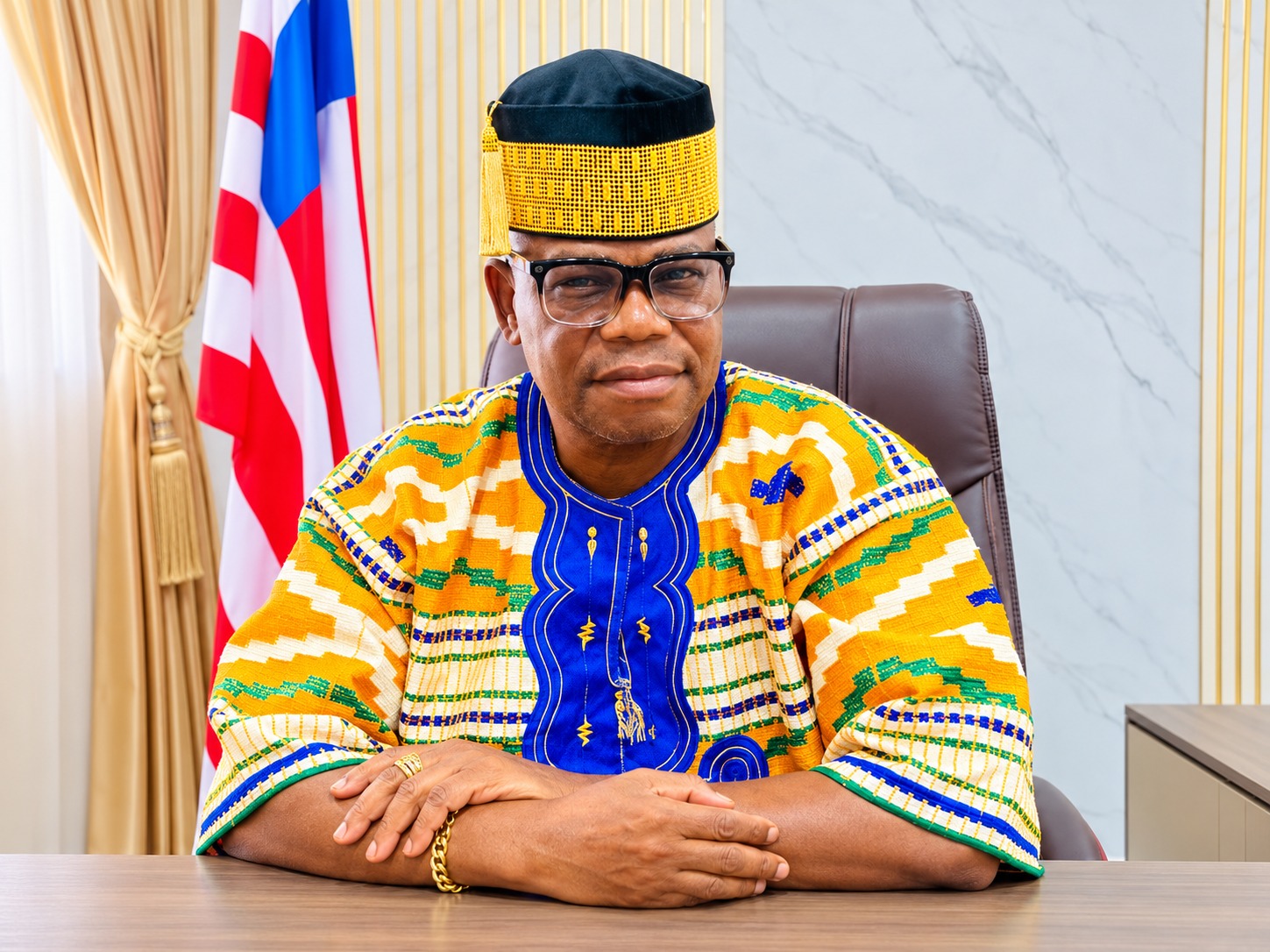
Also speaking, the Deputy Minister for Operations, William S. Hines, described the exercise as a significant step in building the capacity of sector consultancy firms in order to achieve the objective of transitioning from paper-based to online acquisition of research and mining licenses and permits.
He noted that the online application system has been fully functional since its introduction this year (2026), and intimated that, to achieve better results from the new license/permit application system, there was a need to conduct a training session for the consultancy firms. Hines then used his remarks to entreat the participants to always attach patriotism to their services to license/permit applicants.
“Please be fair to yourselves, your country, and to the applicants. If you know a company hiring your consultancy service does not have proper documentation required to register into our system, please do not do business with them,” he averred.
According to Hines, the training initiative was intended to promote fairness, transparency, and professionalism in the administration of Liberia’s mining sector, particularly as the Ministry advances efforts to decentralize licensing processes.
He emphasized that the success of the training would depend largely on participants’ ability to apply the knowledge acquired in carrying out their professional responsibilities.
He therefore encouraged them to put the lessons learned into practice and maintain regular communication with the Ministry whenever they encounter challenges or require clarification, noting that trained professionals would serve as compliance partners in supporting the Ministry’s regulatory responsibilities and ensuring that activities within the sector adhere to established laws, regulations, and professional standards.
Geologists Outline Licensing Requirements
Technical presentations were made by professional geologists and mining engineers of the MME, beginning with the Assistant Director of the Liberia Geological Survey (LGS), Medecy Hessou, who delivered a detailed presentation on licensing application requirements and reporting procedures, outlining the documentation required for prospecting and mineral exploration licenses.
Hessou explained that applicants seeking prospecting licenses must provide proof of citizenship, notarized documents, passport-sized photographs of owners or shareholders, a letter of intent, application fee receipts, a work plan and budget, as well as evidence of financial capacity. For mineral exploration license applications, he highlighted additional documentation, including articles of incorporation and business registration certificates.
Other presentations covered application requirements for mining, trading, and other related licenses and permits; license inspection forms; procedures for completing application forms and uploading company or client applications into the Ministry’s repository; updates on the online licensing portal; the Liberia Revenue Authority (LRA) online payment system; and requirements and application procedures for groundwater exploration and borehole drilling operation permits. Those detailed presentations were made by Emmanuel Witherspoon II, representing the LRA; Cooper Voker Pency, Director of the Mining Cadastre Administration System; Ben Toejaeh, Assistant Director of Mines; mining engineers Lassana Kanneh and James Smith; Adolphus M. G. D. Gleekia, Deputy Inspector-General for Mines; and Madam Wynitta Gwaikolo-Mayson, Director of the Liberia Hydrological Service.
Participants Seek Lecture Notes
Speaking on behalf of the participants, Siafa Mariy expressed appreciation to the MME for organizing the training and providing professionals with an opportunity to enhance their knowledge and understanding of the sector’s regulatory processes. Mariy also appealed to the presenters to make their lecture notes available to participants to facilitate further review and reference, particularly in helping them identify and guard against fraudulent practices while executing their professional responsibilities.
In her remarks, the Supervisor of the Customer Service Office of the MME, Leona M. Moore, commended the participants for showing up and exhibiting interest in advancing their knowledge of processes and procedures for carrying out their consultancy services for applicants of mineral rights in Liberia. Moore also extended commendations to the various departments within the Ministry for their collective efforts in organizing the training, describing their collaboration as essential to the success of the exercise. She encouraged participants and Ministry officials to sustain their cooperation and apply the knowledge acquired to improve service delivery, strengthen compliance, and promote efficiency.
Comments are closed.