

Bility Confronts Ethnic Prejudice -Says faith shouldn’t bar leadership
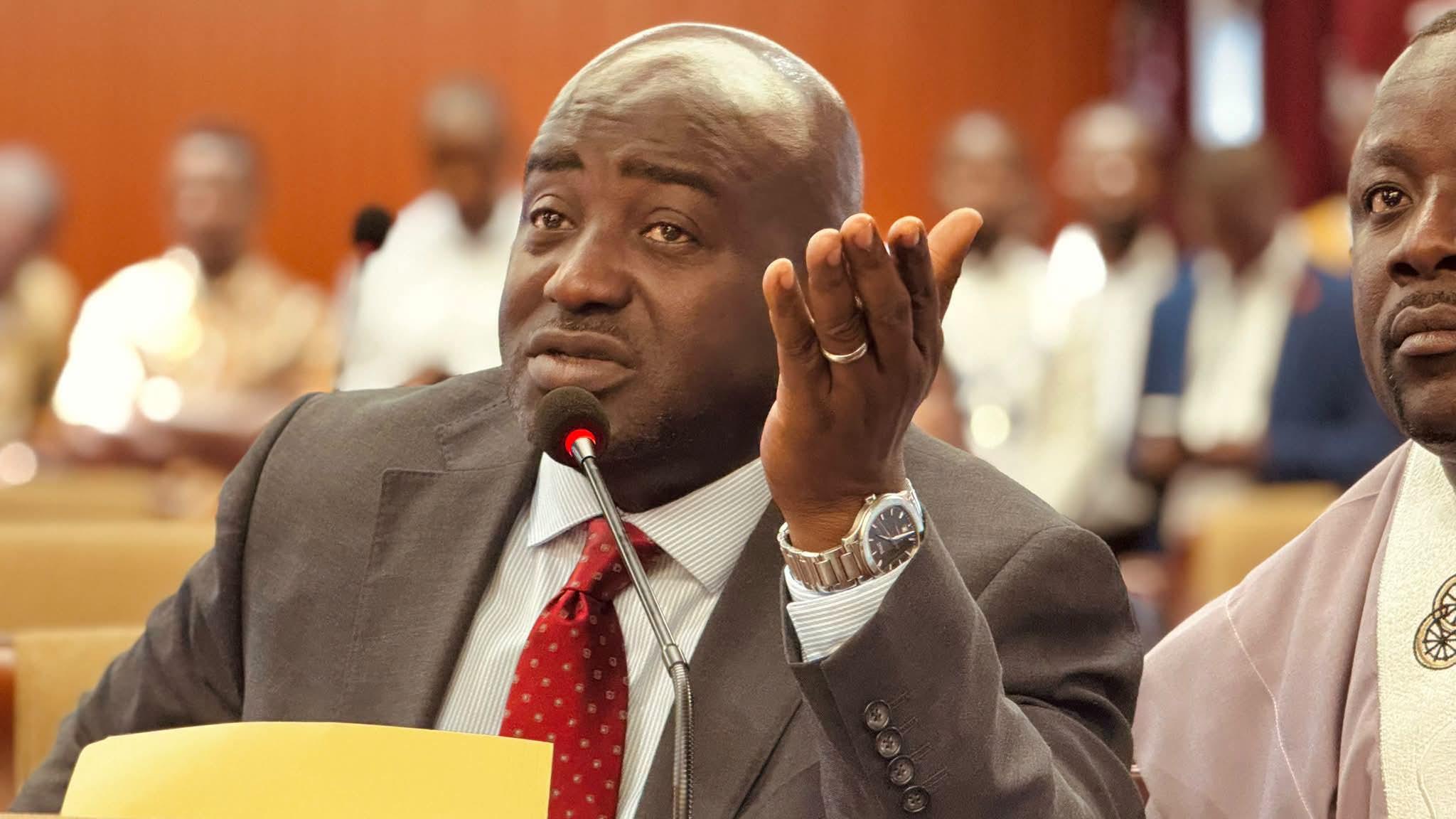
MONROVIA – Musa Hassan Bility has put on the table a question Liberian politics usually whispers. Can a Mandingo Muslim lead this country? Writing from Saclepea, Bility answers with history rather than grievance. He notes that 11 of Liberia’s presidents were born abroad. He points to Arab-funded roads and hospitals welcomed without religious tests. He even recalls that Libya backed Charles Taylor’s war without religious objection. The letter reads like an early political manifesto. Its closing lines invite Liberians to examine his record, competence and plans. That is the language of a man who appears to be preparing for public office. It also dares rivals to argue prejudice openly or abandon it. THE ANALYST reports.
Businessman and former Liberia Football Association (LFA) President Musa Hassan Bility has challenged Liberians to end the prejudice that, he said, tells Mandingos and Muslims they are unfit to lead, describing as hypocritical a nation that cheers Liberian immigrants elected in the United States (U.S.) while rejecting its own people at home.
In his “Letter from Saclepea,” titled “The Hypocrisy We Must Confront,” Bility stated that watching American democracy at work, he keeps returning to a painful question.
“How can we celebrate the acceptance of our people abroad while defending the rejection of our own people at home?” he asked. Bility noted that Liberians cheer when Americans elect Liberians who arrived there as immigrants, and applaud when voters look beyond birthplace and religion.
Yet, he observed, some of those celebrating turn around and tell him: “You are capable. You can lead. But Liberia is not ready for a Mandingo. Liberia is not ready for a Muslim.” “What a terrible answer to give a country crying out for leadership,” Bility declared.
Cross-Border Ties Shared by All
Bility pointed out that across Liberia, communities have family ties beyond the country’s borders.
The Kissi of Lofa have relatives in Guinea and Sierra Leone, the Mano of Nimba and the Kpelle of Bong have connections in Guinea, and the Gio and Krahn have kin across the Ivorian border, he noted.
Vai and Gola communities in western Liberia, he added, share longstanding ties with Sierra Leone, relationships that existed before the borders that now separate them.
“Why should such connections become grounds for suspicion only when the person is Mandingo?” Bility asked.
He called for any allegation of unlawful registration or voting to be investigated on evidence, with the same standard for everyone. “No tribe should carry collective guilt, and no citizen should have to defend his belonging because others share his name across a border,” he stated.
History Exposes the Contradiction
Bility argued that Liberia’s own history exposes the contradiction, noting that the republic was established by settlers from abroad on land already inhabited by African communities.
The country’s first president, Joseph Jenkins Roberts, was born in Virginia, and several early presidents were born outside Liberia, he recalled.
According to Bility, 11 of Liberia’s 24 individual presidents were born outside Liberia, with 10 born in the United States and one in Barbados. “We teach their names proudly.
Yet a Liberian born here, to parents born here, is still told that his tribe makes him somehow less entitled to serve,” he stated.
Arab Funding Welcomed, Muslims Doubted
The contradiction goes further, Bility maintained. He noted that Liberians celebrate the completed road from Gbarnga to Salayea in Lofa, financed with support from the Saudi Fund for Development, the Kuwait Fund for Arab Economic Development, the Arab Bank for Economic Development in Africa (BADEA), the OPEC Fund for International Development and the Liberian government, and welcome the Emirates Hospital in Gbarpolu, funded by the United Arab Emirates.
Liberians also applaud agreements with Arab development partners that bring millions of dollars toward roads, electricity and better lives, he added.
“We welcome these contributions because our people need them. Nobody asks a hospital to declare its religion before treating a patient. Nobody refuses a road because a Muslim nation helped finance it,” Bility stated.
“Why, then, should a Liberian’s Muslim faith become an objection when he offers his knowledge, resources and commitment to the same national development?”
Even Liberia’s painful wartime history, he insisted, demands honesty. Bility recalled that former President Charles Ghankay Taylor’s movement received training and support from Libya, while Burkina Faso helped with recruitment, training and arms transfers, and that those who supported Taylor’s campaign against former President Samuel Kanyon Doe did not treat Libya’s Muslim identity as a reason to reject that support.
“They said Liberia needed liberation. The suffering that followed must never be excused. But how can Muslim support be acceptable in a power struggle, while a Muslim citizen becomes unacceptable in a peaceful contest to serve?” he asked.
Hardship Crosses Every Line
Bility stressed that Liberians are not hungry because they are Kpelle, Gio, Kissi, Krahn or Mandingo, and children are not out of school because their parents worship in a mosque or a church. These hardships cross every religious and tribal line, he said, and they persist because leadership has failed to meet the needs of the people.
He disclosed that since former President Ellen Johnson Sirleaf left office, he has wanted to hear Liberia’s leaders sit before the nation and explain their vision freely and in depth.
“Beyond a prepared speech, can they discuss the economy, defend their decisions, and explain how families will earn a living? Can they answer difficult questions without retreating into slogans?” he asked, adding: “That is the examination Liberia needs.”
‘Examine My Record’
“I am a Muslim. I am a Mandingo. I am a Liberian. Examine my record. Challenge my competence, integrity and plans. Demand answers from me. But do not replace that examination with prejudice,” Bility declared.
He revealed that two of his daughters have developed an interest in politics. “I want them, and every Liberian child, to inherit a country where ability receives a fair hearing and citizenship requires no ancestral defense,” he stated.
Bility urged Liberians, who follow America in so much, to also learn from those moments when American voters look beyond identity and give people the opportunity to serve. “We can build that courage here,” he noted.
He vowed to confront the prejudice peacefully and openly. “Our mothers need functioning hospitals. Our children need classrooms. Our families need livelihoods. Their suffering is too urgent for us to keep debating which tribe or religion deserves the chance to help end it,” Bility concluded.
Comments are closed.