
Mo Ali Brands Journalists ‘Bribe Seekers’ -Media Executives Condemn Ali’s Sweeping Allegations
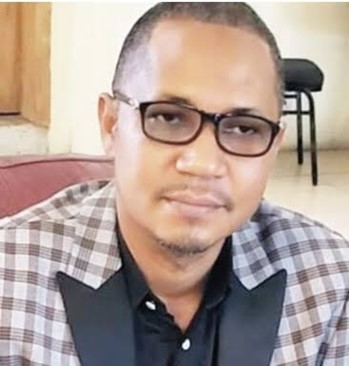
MONROVIA – The widening rift between Liberia’s government and its press corps has found a combustible new flashpoint. Liberia Water and Sewer Corporation (LWSC) Managing Director Mohammed Ali has branded some journalists bribe seekers peddling unverified allegations. His broadside, delivered in defense of Vice President Jeremiah Kpan Koung, drew swift condemnation from media executives. They demanded that he name the culprits or retract what they called a reckless generalization. The clash, analysts suggest, is about far more than one official’s temper. It tests whether public power answers scrutiny with transparency or with broad attacks on the messengers. It also shows how the drug controversy engulfing the Vice President’s office is straining state-media relations. THE ANALYST reports.
the LWSC Managing Director, who also serves as a senior executive of the ruling Unity Party, aired his criticism in a sharply worded social media post. He said the government would no longer take seriously what he described as “bribe seeking and corrupt people pretending to be journalists.”
“We will pay no attention to bribe seeking and corrupt people pretending to be journalists,” Ali declared. “We know most of those so-called big journalists thrive on gossips to seek attention.”
His comments come amid growing public debate and media scrutiny over allegations linking Vice President Koung to an ongoing drug-related controversy. Government officials have repeatedly dismissed the claims as baseless.
Defending the Vice President, Ali argued that critics were attempting to draw parallels with previous drug-related scandals involving other public figures. “Their favorite people were rocked by drug scandals and so they think our Vice President too should,” he wrote.
Ali went further by challenging journalists and other critics circulating the allegations to present concrete evidence. “This is an open challenge for any of you passing around with those flimsy and unsubstantiated allegations to present your evidence. If not, then shut the heck up and find place to sit,” he stated.
The LWSC Managing Director also suggested that what he described as irresponsible journalism has contributed to declining public confidence in some media institutions. “This is exactly why your papers have lost relevance,” he added.
Officials Rally Around Vice President
Ali’s remarks are the latest in a series of strong responses from officials of the Unity Party-led administration defending Vice President Koung. The allegations at issue have circulated on social media and in sections of the local press.
His comments are likely to generate fresh debate over press freedom, the responsibilities of the media, and the relationship between the government and independent journalists. While Ali challenged critics to produce evidence, journalists and media advocacy groups have consistently maintained that public officials should respond to scrutiny through transparency and accountability rather than broad attacks on the press.
Media Executives Demand Specifics
Ali’s remarks have drawn criticism from some media executives, who argued that he was wrong to make sweeping allegations against journalists without identifying those he believes are involved in bribery or blackmail. Responding to his comments, the executives urged Ali to specifically name any journalists he believes are soliciting bribes or attempting to blackmail Vice President Koung or other government officials, rather than generalizing the entire profession.
They warned that broad accusations against the media undermine press freedom and risk damaging the reputation of journalists who continue to work professionally and ethically. The executives also cautioned Ali against what they described as an unnecessary and unwarranted outburst, emphasizing that the Liberian media would not be intimidated by attacks from public officials.
They maintained that while journalists remain open to scrutiny and accountability, government officials must also respect the role of the press in holding public institutions accountable. Officials, they said, should respond to critical reporting with facts rather than blanket condemnations.
The episode underscores the increasingly tense relationship between the government and parts of the Liberian media. Public discourse continues to swirl over allegations surrounding senior state officials.
Comments are closed.