
Bility ChampionsWomanhood-Says women deserve justice, calls for equal treatment
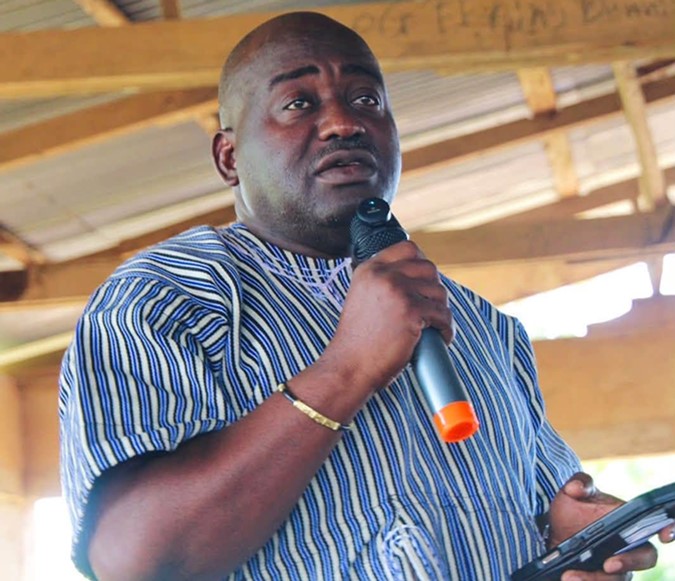
MONROVIA – Representative Musa Hassan Bility has called for a national reassessment of how Liberian society treats women, arguing that persistent discrimination continues to undermine both social justice and national development. Drawing from personal reflections about his late mother and broader observations of Liberia’s political and social landscape, the lawmaker contends that women remain subjected to unequal standards despite their contributions to the country’s progress. He maintains that true national healing cannot occur while women continue to face unequal opportunities, harsher public judgment, and systemic barriers. Writing in his regular column, “Letter from Saclepea,” Bility urges Liberians to replace entrenched double standards with fairness, dignity, equal opportunity, and respect. THE ANALYST reports.
Nimba County District Seven Representative Musa Hassan Bility has called for greater fairness, dignity, and equal treatment for women, arguing that Liberia cannot achieve genuine national progress while women continue to experience discrimination, unequal opportunities, and double standards.
In a commentary reflecting on his personal experiences and observations of Liberian society, Bility said his views were shaped while visiting his late mother’s hometown with friends, where memories of her sacrifices prompted him to reflect on the broader condition of women across the country.
The lawmaker recounted the hardships his mother endured to raise him, describing her sacrifices as representative of the countless contributions women make daily without recognition or reward.
According to Bility, those reflections led him to question why women who have contributed immensely to Liberia’s development continue to face persistent inequality.
Unequal Standards Persist
Bility observed that Liberia has produced women who have served as President, Chief Justice, ministers, lawmakers, educators, business leaders, and professionals across numerous sectors.
Despite those achievements, he argued that women continue to encounter significant barriers to equal participation, particularly in politics and public life.
Using Nimba County as an example, Bility maintained that although the county remains one of Liberia’s most politically influential regions, women still face considerable obstacles in seeking elective office and leadership positions.
He further argued that societal attitudes frequently judge women more harshly than men.
According to him, men accused of misconduct are often excused or even celebrated, while women accused of similar behavior are subjected to condemnation, ridicule, and lasting public shame.
“The imbalance is painful. The hypocrisy is dangerous. And the saddest part is that we have normalized it,” Bility asserted.
Call For National Reflection
Bility argued that such double standards contradict the sacrifices women make as mothers, caregivers, providers, and pillars of their families and communities.
He questioned whether Liberia’s broader national struggles may be linked to society’s failure to extend fairness and compassion to women.
“A nation cannot truly prosper while disrespecting its women. A society cannot claim to be moral while applying two different standards to men and women,” he declared.
The Representative further maintained that no amount of economic or political development would fully heal Liberia until women receive the same dignity, fairness, freedom, and opportunities afforded to men.
He urged Liberians to stop viewing women as competitors, subjects of control, or targets of ridicule, and instead recognize them as equal human beings deserving of protection, respect, and opportunity.
Bility concluded that honoring mothers, wives, daughters, sisters, and nieces requires creating a society where women enjoy equal value and protection.
He expressed hope that Liberia’s future would improve when fairness becomes the standard by which both men and women are judged, emphasizing that the nation’s healing depends upon the respect it accords its women.
Comments are closed.