

LP Honors Women, Pushes Gender Parity-Pushes for bold reforms in governance structure
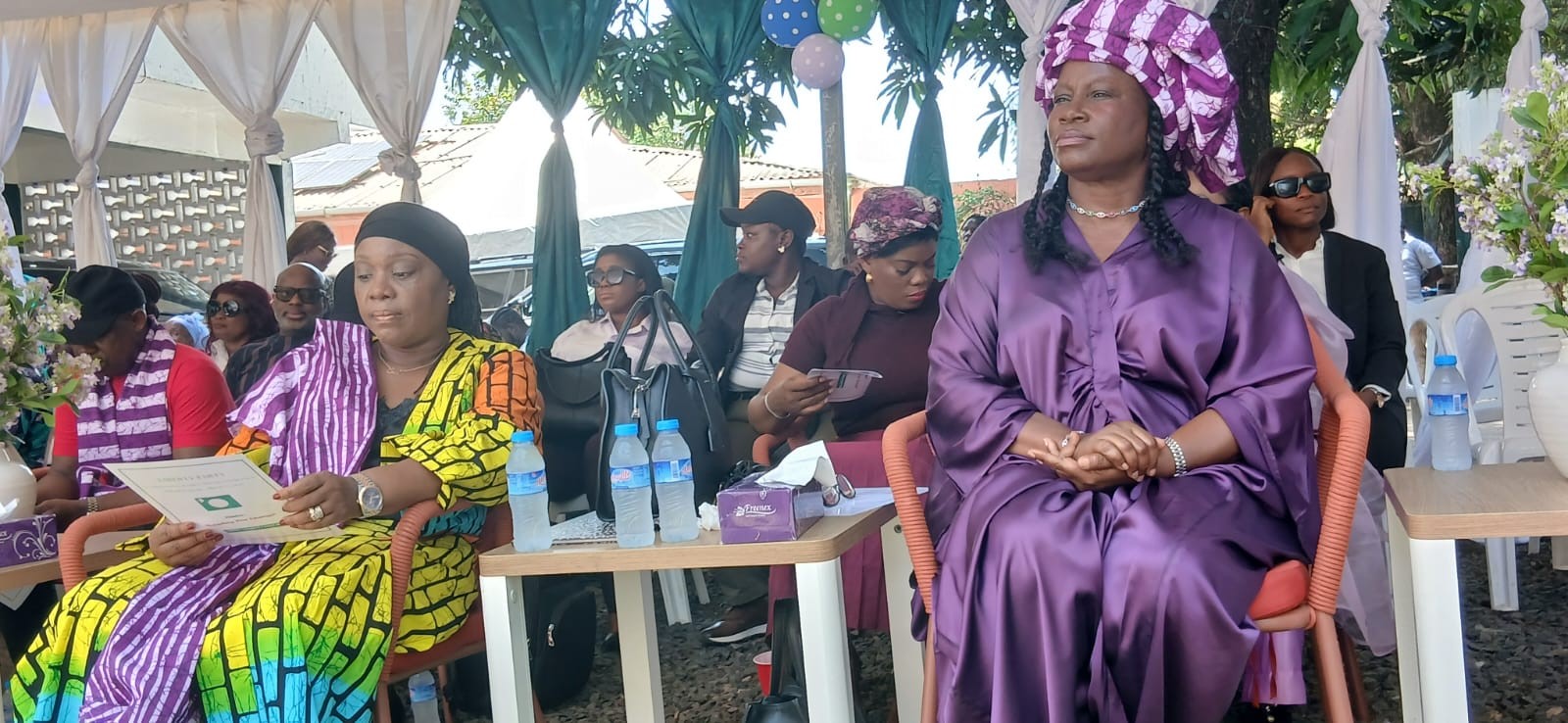
MONROVIA – As Liberia joins the global community in marking International Women’s Month, the conversation around gender equality is steadily shifting from symbolic recognition to concrete demands for structural change. Across political and institutional spaces, calls are intensifying for women not only to be included but to lead. The Liberty Party’s recent celebration in Monrovia reflects this growing urgency, placing women’s representation at the center of national development discourse. At the heart of the message is a bold proposition: that meaningful transformation in Liberia will require deliberate efforts to rebalance leadership across all sectors. For many observers, the issue is no longer whether women should lead, but whether the system is ready to make room for them. THE ANALYST reports.
The Liberty Party (LP) has joined the global observance of International Women’s Month with a vibrant and politically significant celebration, using the occasion not only to honor women but also to advance a strong call for structural reforms aimed at increasing women’s participation in national leadership.
The event, held over the weekend at the party’s headquarters in CongoTown, brought together hundreds of women from across Montserrado, Grand Bassa, Margibi, Grand Cape Mount, and Bomi Counties, among others. The gathering reflected both a celebration of achievements and a renewed commitment to advancing the role of women in Liberia’s political and socio-economic landscape.
Delivering the keynote address, Minister of Foreign Affairs Sara Beysolow Nyanti used the platform to issue one of the most emphatic calls yet for gender balance in governance, urging that women occupy “at least” 50 percent of seats in the National Legislature.
Her message was clear and unapologetic: Liberia’s future development depends on the full and equal participation of women in leadership across all sectors.
“Men, you must give to gain,” Nyanti declared, addressing both the audience and the broader national leadership. “If we want a better Liberia, men must give women the opportunity to lead in every sector, including health, agriculture, mining, and education. When women lead, things change.”
Her remarks underscored a growing consensus among gender advocates that representation is not merely a matter of fairness but a strategic necessity for national progress.
Nyanti emphasized that gender balance in governance should not be treated as optional or aspirational, but as a critical requirement for achieving sustainable development and inclusive decision-making.
According to her, inclusive leadership has the potential to accelerate national transformation by bringing diverse perspectives to policy formulation and implementation.
She further argued that empowering women to take on leadership roles is essential not only for equity but also for strengthening institutions and improving governance outcomes.
Pointing to practical examples, Nyanti highlighted the Liberty Party itself as a model of progressive leadership, particularly in its decision to entrust the party’s leadership to Senate President Pro Tempore Nyonblee Karnga-Lawrence.
She praised the late political leader Charles Brumskine for what she described as a visionary decision that ensured continuity and stability within the party.
“Brumskine understood continuity,” Nyanti said. “Today, the Liberty Party remains strong and forward-moving because a woman is at its helm.”
Her remarks were both a commendation and a challenge—encouraging other political institutions to adopt similar approaches in promoting women to positions of leadership.
Beyond institutional reforms, Nyanti also called for a cultural shift in how leadership is perceived and practiced in Liberia. She urged women to step forward confidently while calling on men to actively create space for women to lead.
Her message resonated strongly with attendees, many of whom view gender parity as central to Liberia’s broader development agenda.
In a special statement during the program, Senate Pro Tempore Nyonblee Karnga-Lawrence expressed appreciation for Nyanti’s contributions to both Liberia’s diplomatic efforts and the Liberty Party.
As part of the celebration, the party presented Nyanti with an award of recognition, honoring what it described as her “exceptional service” to the nation.
“We are deeply grateful for your service,” Karnga-Lawrence said. “Wherever you go, we follow your work and the impact you continue to make in the diplomatic arena. Today, we honor not only your leadership but also your dedication to our country and party.”
The award citation further emphasized that “the women of Liberia are proud” of Nyanti’s achievements, highlighting her role as a trailblazer in public service and international diplomacy.
The event also provided an opportunity to honor other influential women, including former Chief Justice Cllr. Gloria Musu-Scott, whose contributions to both the Liberty Party and the broader legal landscape were recognized.
Karnga-Lawrence paid tribute to Musu-Scott’s role in resolving internal disputes within the party, describing her as a stabilizing force during a critical period.
Recounting her personal experience, she noted that Musu-Scott’s legal guidance and mentorship were instrumental in restoring unity within the party.
“She is my counselor, mentor, leader, and mother,” Karnga-Lawrence said, reflecting the depth of respect and admiration she holds for the former Chief Justice.
The Liberty Party formally honored Musu-Scott for her “love, solidarity, and commitment” to the party’s revitalization, with Charlyne Brumskine-Dennis describing her as a “pillar of strength” whose influence continues to shape both the party and the nation.
In her welcome remarks, Liberty Party National Chairperson Rugie Y. Barry highlighted the critical role women have played throughout Liberia’s history, particularly in peacebuilding, governance, and community development.
“Empowering women is not only a moral obligation but a strategic necessity for development and inclusive governance,” Barry said.
She reaffirmed the party’s commitment to promoting equal opportunities and supporting women’s participation in leadership at all levels.
Barry also praised the resilience and dedication of women within the party and across the country, calling for sustained unity in advancing gender equality and national development.
The celebration comes at a time when Liberia, like many countries around the world, is re-examining the role of women in leadership amid growing calls for greater inclusion and representation.
Nyanti’s message, delivered in the context of this global observance, adds a strong national dimension to the conversation—one that challenges policymakers, political parties, and institutions to move beyond rhetoric and take concrete steps toward gender parity.
Her call for at least 50 percent representation in the Legislature represents a bold and transformative vision, one that, if realized, could significantly reshape Liberia’s political landscape.
For many observers, the significance of the Liberty Party’s event lies not only in the recognition of women’s achievements but also in its forward-looking message.
It signals a shift from celebration to action, from acknowledgment to advocacy.
As Liberia continues to navigate its development journey, the role of women in shaping that future is becoming increasingly central.
And as Nyanti made clear, meaningful transformation will require more than inclusion—it will require deliberate, sustained action to ensure that women take their rightful place at the forefront of leadership.
Comments are closed.