

Yarkpawolo Proposes Job Board Calls for Skills Database to Connect Liberians
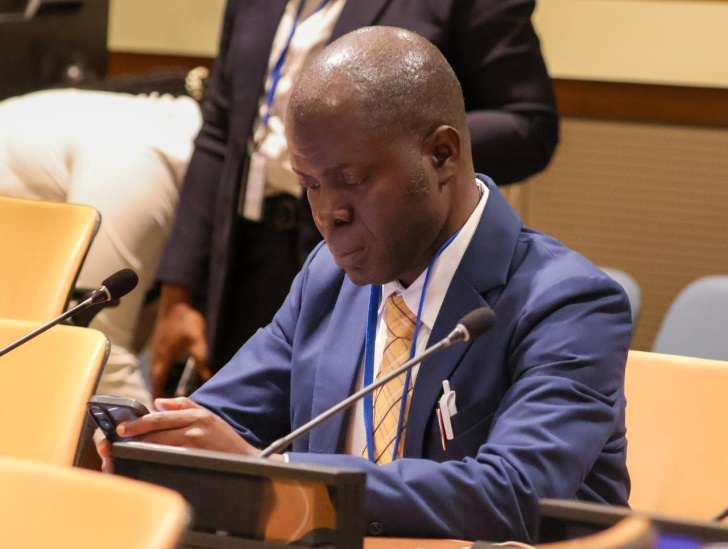
MONROVIA – Every new concession brings jobs to Liberia, but often not to Liberians. Dr. Emmanuel K. Urey Yarkpawolo began his argument with one foreign railway engineer he met on a flight. From that encounter he builds a case for a National Job Board. It would map real vacancies, register qualified citizens at home and abroad, and match them to employers. His point is structural rather than nationalist. He welcomes foreign expertise but insists skills must transfer to Liberians. He warns against selling forecasts as jobs and charging applicants for shortlisting. The proposal draws on models from Singapore, Germany and Rwanda. THE ANALYST reports.
Dr. Emmanuel K. Urey Yarkpawolo has proposed the establishment of a National Job Board, supported by a skills database and employment services, to help translate investment and training into productive work for Liberians.
In a policy paper dated November 1, 2026, Dr. Yarkpawolo argued that Liberia needs a coordinated strategy that creates employment, identifies existing and emerging jobs, and connects qualified Liberians to them.
Dr. Yarkpawolo traced the idea to a recent flight on which he met a young foreign professional traveling to Liberia to supervise a railway corridor. He explained that the man, a railway maintenance engineer, discussed his specialized training, prompting reflection on the connection between his qualifications and an employment opportunity in Liberia.
“The gentleman was a foreigner coming to Liberia to work,” Dr. Yarkpawolo noted. He stated that the journey raised important questions: “How many Liberians are being prepared for such opportunities? How many already have the necessary qualifications but remain unknown to employers? How can investment generate more jobs and business opportunities for our citizens?”
Create Employment Through Investment, Enterprise
Dr. Yarkpawolo cautioned that a job board cannot create employment simply by listing vacancies. Job creation, he argued, requires productive businesses, investment, reliable infrastructure and an environment in which enterprises can grow.
He proposed that the Board work with investment agencies, employers and procurement institutions to identify employment and supplier opportunities associated with major projects. “A railway, for example, needs engineers and technicians, but also maintenance contractors, transport, catering, accommodation and safety equipment,” he observed.
According to Dr. Yarkpawolo, publishing these requirements early would help Liberian businesses prepare, compete for contracts and employ additional workers. He added that business support should connect entrepreneurs to actual buyers, finance and appropriate training, and that encouraging self-employment without identifying a market is insufficient.
He further contended that public investment should also include workforce planning. When the country plans roads, hospitals, power systems or agricultural projects, he said, it should identify the people and enterprises needed to build, operate and maintain them.
Identifying Jobs and Required Skills
Dr. Yarkpawolo recommended that the Board build on the Ministry of Labour’s National Bureau of Employment, strengthening existing services rather than duplicating them. Employers, training institutions, government and workers should participate, he proposed, with a professional secretariat coordinating implementation.
The Board’s first task, he wrote, should be to establish where jobs exist, what employers require and which opportunities are likely to emerge. He insisted that confirmed vacancies must be distinguished from forecasts so that anticipated investments are never presented as available jobs.
He called for sector plans covering railways, agriculture, health, construction, energy, mining, tourism and environmental services. Employers, he added, should specify qualifications, practical experience, recruitment timelines and training needs.
Dr. Yarkpawolo pointed to Singapore’s Skills Frameworks as a useful lesson, explaining that they connect occupations and career pathways to the skills and training they require, with employers and education institutions involved. He suggested that Liberia could adapt this approach to guide scholarships, technical education and university programs toward demonstrated demand.
Connecting Qualified Liberians to Work
Dr. Yarkpawolo proposed a national skills database to register Liberian professionals, technicians, artisans and other workers, including those abroad. It should record qualifications, verified competencies, experience, location and availability, while protecting personal information, he stated.
He argued that an experienced welder, mechanic or carpenter should be able to demonstrate competence through practical assessment, even without a formal certificate. Diaspora professionals, he added, could indicate interest in returning, undertaking temporary assignments or providing remote support and mentoring.
Employers, according to Dr. Yarkpawolo, would gain a credible means of finding qualified Liberians before concluding that overseas recruitment is necessary. Where international expertise is needed, he said, structured mentoring and skills transfer should help Liberian counterparts acquire those capabilities.
“The database must lead to action,” he declared. He maintained that employment officers should match candidates to vacancies, assist with applications and follow up on placements, and that recruitment should be competitive, transparent and based on competence.
Connect Training to Employment
Dr. Yarkpawolo asserted that publicly supported specialized training should begin with a credible employment pathway. Before sending someone abroad, he argued, the sponsoring institution should identify the skills required, potential employers and how the returning professional’s expertise will be used. Where a job cannot be guaranteed, that uncertainty should be clear, he added.
He cited Germany’s dual vocational training system as another lesson, noting that apprentices combine workplace learning with vocational education under training contracts and receive employer-paid allowances. Liberia, he suggested, could adapt this through paid apprenticeships with railway operators, workshops, farms, construction firms and other employers.
Dr. Yarkpawolo also noted that Singapore’s Career Conversion Programmes demonstrate how employers can help train people for different roles. He proposed a Liberian pilot to support training where employers demonstrate vacancies and contribute resources, stressing that success should be measured by sustained employment, not certificates alone.
Make Opportunities Accessible Nationwide
Dr. Yarkpawolo referenced Rwanda’s use of digital platforms for job matching, internships and labor market information as a regional example. Liberia, he proposed, could develop a simple national gateway linking vacancies, apprenticeships, training and candidate profiles.
He emphasized that access must extend beyond the internet, suggesting that county employment desks, community radio, newspapers and SMS services could reach applicants across Liberia. Newspapers, he added, could earn revenue through optional recruitment advertising packages linked to the national platform, while basic access remains free to job seekers.
Start with Results People See
Dr. Yarkpawolo recommended that implementation begin with a few sectors where employers can demonstrate demand. He proposed that the Board publish quarterly figures on verified vacancies, referrals, placements, apprenticeship completions and employment retention. Complaints procedures and independent oversight should guard against favoritism, he stated, adding, “Nobody should pay to be shortlisted.”
Returning to his encounter with the foreign railway engineer, Dr. Yarkpawolo said it illustrates how specialized skills can connect someone to an opportunity across borders. “Liberia should welcome useful expertise while deliberately preparing and connecting its own people to work,” he wrote.
“Our task is to create more opportunities, know where they are and ensure qualified Liberians can reach them,” Dr. Yarkpawolo concluded. “That connection must become a central part of national development planning.”
Comments are closed.