
Yarkpawolo Chronicles EPA Transformation -Says Permanent headquarters crowns institutional reform drive
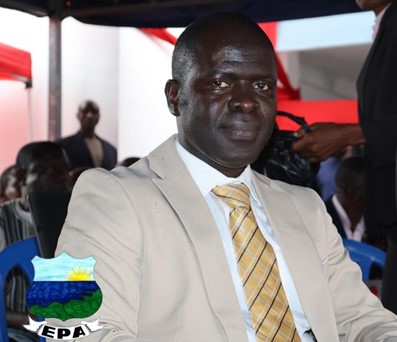
MONROVIA – Institutional transformation is often measured not only by policy reforms but by the strength of the infrastructure, technology and human capacity supporting public service delivery. For Liberia’s Environmental Protection Agency, years of operating from rented facilities with limited scientific capability are giving way to a new era of permanence and modernization. EPA Executive Director Dr. Emmanuel K. Urey Yarkpawolo says the acquisition of a permanent headquarters and installation of advanced laboratory technology represent strategic investments that will improve environmental regulation, scientific research and climate resilience. He argues that the milestones position the Agency to better safeguard Liberia’s natural resources while supporting sustainable national development through innovation and evidence-based decision-making, as THE ANALYST reports.
Environmental Protection Agency Executive Director Dr. Emmanuel K. Urey Yarkpawolo has described the acquisition of the Agency’s permanent headquarters and the commissioning of a state-of-the-art Elemental Analyzer as defining milestones in the history of environmental governance in Liberia, declaring that the twin achievements will fundamentally strengthen scientific research, regulatory enforcement and institutional effectiveness.
Delivering remarks during the official dedication of the EPA’s newly acquired headquarters in Mamba Point, Dr. Yarkpawolo said the occasion represented the culmination of years of planning, prudent financial management and strategic partnerships aimed at transforming the Agency into a modern environmental institution capable of meeting Liberia’s growing development and conservation needs.
According to him, the ceremony marked a transition from years of institutional uncertainty to permanent ownership, enhanced scientific capacity and greater operational independence.
“This day represents more than the dedication of a building,” Dr. Yarkpawolo declared. “It represents a historic investment in environmental governance, scientific innovation and the future of Liberia.”
FROM TENANCY TO OWNERSHIP
Tracing the Agency’s institutional journey, Dr. Yarkpawolo recalled that the EPA had operated for more than sixteen years from two rented facilities that no longer reflected the expanding responsibilities of the institution.
He explained that the Agency initially occupied two separate buildings while paying approximately US$72,000 annually in rent without building any long-term public asset.
As the EPA’s responsibilities increased, those facilities became inadequate to accommodate its growing workforce, expanding technical departments and modern laboratory requirements.
The Agency subsequently relocated to a larger rented building in Mamba Point at an annual rental cost of approximately US$85,000.
While the move temporarily addressed space constraints, Dr. Yarkpawolo said it also underscored the financial burden associated with continuously leasing government office space.
Recognizing the need for a permanent solution, EPA management initiated discussions that eventually resulted in the purchase of the current headquarters.
According to him, the property was acquired for approximately US$800,000, inclusive of taxes and associated costs—significantly below its professionally assessed market value of roughly US$1.3 million.
He described the acquisition as both economically prudent and strategically important because it converts recurring rental payments into a lasting national asset.
STAFF COMMENDED FOR SACRIFICE
Dr. Yarkpawolo paid special tribute to EPA employees for what he described as extraordinary commitment throughout the acquisition process.
He disclosed that members of staff voluntarily accepted reductions in their out-of-town allowances to help generate resources supporting the purchase of the property.
According to him, the willingness of employees to make personal sacrifices demonstrated their confidence in the Agency’s long-term vision and their determination to secure a permanent institutional home.
He said the headquarters belongs not only to the EPA but to the Liberian people, who will ultimately benefit from stronger environmental regulation and improved public service delivery.
The Executive Director also acknowledged the support provided by President Joseph Nyuma Boakai, the Board of Directors, development partners and other stakeholders who contributed to the realization of the project.
MODERN FACILITY EXPANDS CAPACITY
Providing an overview of the new headquarters, Dr. Yarkpawolo explained that the facility substantially expands the Agency’s operational capacity.
According to him, the building contains approximately 80 offices, three conference rooms, four reception areas, twenty-four bathrooms, a Geographic Information System laboratory, library, warehouse, generator house, secured parking facilities and additional administrative workspaces designed to accommodate future institutional growth.
He noted that the expanded infrastructure will improve coordination among technical departments while creating a more efficient working environment for employees and stakeholders seeking EPA services.
The facility, he added, has been designed to support modern environmental governance through improved administration, planning, research and regulatory enforcement.
ADVANCED LABORATORY STRENGTHENS SCIENCE
A major highlight of Dr. Yarkpawolo’s remarks centered on the modernization of the EPA’s scientific laboratory.
He announced that the commissioning of the Elemental Analyzer significantly enhances Liberia’s capacity to conduct sophisticated environmental testing domestically.
The advanced equipment, donated through the International Atomic Energy Agency (IAEA), will enable scientists to analyze soil, water, sediment, vegetation and other environmental samples with greater accuracy and efficiency.
According to the Executive Director, the laboratory has also been upgraded with specialized units dedicated to Radiation Safety, Water Quality and Marine Studies, and Instrumental Analysis.
These improvements, he said, will strengthen the Agency’s ability to monitor pollution, support environmental impact assessments, investigate contamination, enforce environmental regulations and provide reliable scientific data for policymaking.
LIBERIA WINS REGIONAL COMPETITION
Dr. Yarkpawolo disclosed that Liberia secured the Elemental Analyzer after emerging successful in a competitive regional selection process administered by the International Atomic Energy Agency.
He explained that only one analyzer was allocated for West Africa under the programme and that Liberia’s proposal received the highest evaluation based on preparedness, institutional readiness and anticipated national impact.
He described the achievement as a vote of confidence in Liberia’s environmental institutions and a demonstration of the country’s growing scientific credibility.
The analyzer, he said, will support research relating to agriculture, soil fertility, climate change, mangrove ecosystems, organic carbon, pollution monitoring and natural resource management.
Universities, researchers, students and other government institutions are also expected to benefit from the expanded laboratory capacity.
ENVIRONMENTAL EDUCATION EXPANDING
Beyond the headquarters project, Dr. Yarkpawolo outlined several additional initiatives intended to strengthen environmental awareness and climate resilience throughout Liberia.
He revealed that negotiations are nearing completion for the acquisition of land in Grand Cape Mount, Grand Bassa, Sinoe and Maryland Counties where the EPA intends to establish Environmental Learning Centers.
The centers are expected to promote environmental education, public awareness, scientific research and community engagement while expanding the Agency’s presence beyond Monrovia.
The Executive Director said decentralizing environmental education will improve public participation in conservation and strengthen local ownership of environmental protection initiatives.
COMMITMENT TO CLEAN ENERGY
Dr. Yarkpawolo also highlighted the EPA’s ongoing investments in renewable energy.
Among the achievements he cited was the commissioning of the National Climate Change Laboratory powered by a 32-kilowatt solar energy system.
He further disclosed that an additional 28-kilowatt solar installation has been completed at the Ministry of Mines and Energy as part of broader efforts to encourage sustainable energy solutions within public institutions.
According to him, these initiatives demonstrate that environmental protection must be accompanied by practical investments that reduce carbon emissions and promote climate resilience.
BUILDING AN INSTITUTION FOR THE FUTURE
Concluding his remarks, Dr. Yarkpawolo said the EPA’s transformation extends beyond physical infrastructure.
He argued that the new headquarters, upgraded laboratory and expanding scientific capacity collectively position the Agency to respond more effectively to Liberia’s environmental challenges while supporting responsible investment, public health, biodiversity conservation and sustainable economic development.
He urged EPA staff to remain committed to professionalism, integrity and scientific excellence, emphasizing that the success of the institution will ultimately depend on the quality of service delivered to the Liberian people.
For Dr. Yarkpawolo, the journey from rented offices to permanent ownership represents more than an administrative accomplishment. It is, he said, a symbol of institutional maturity and a foundation upon which Liberia can build a stronger system of environmental governance capable of protecting the nation’s natural heritage for generations to come.
Comments are closed.