
British Investor Says Liberia’s Justice System Compromised -Alleges Manipulation in Mining Controversy
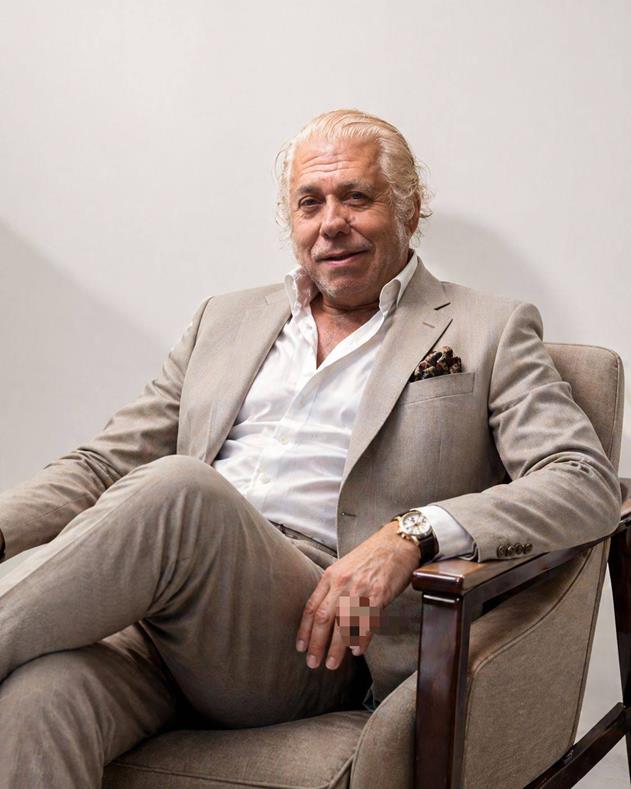
MONROVIA – What began as a commercial dispute over heavy-duty mining equipment in Bomi County has evolved into a controversy carrying implications for investor confidence, prosecutorial independence and public trust in Liberia’s justice system. British investor Hans Armstrong, who says courts have repeatedly affirmed his ownership rights over machinery allegedly destroyed and sold as scrap, is now accusing senior justice officials of frustrating accountability through personal affiliations and institutional interference. The allegations, which strike at the heart of the country’s commitment to equal justice under law, have intensified calls for an independent prosecutorial review. The dispute is increasingly becoming a test of whether legal outcomes can withstand allegations of undue influence. As THE ANALYST reports.
FROM PROPERTY DISPUTE TO NATIONAL CONTROVERSY
What initially appeared to be a localized dispute over mining machinery in Sackie Township, Senjeh District, Bomi County, has now developed into one of the most politically sensitive legal controversies currently facing Liberia’s justice sector.
At the center of the dispute is British investor Hans Armstrong, who alleges that heavy-duty mining equipment legally belonging to him was deliberately destroyed and sold as scrap despite multiple court rulings affirming his ownership rights.
The machinery, Armstrong says, was originally valued at approximately US$2.5 million but was ultimately dismantled and sold for only US$66,500 after individuals allegedly gained unauthorized access to the property and systematically cut the equipment into scrap metal.
Now, after years of legal battles, Armstrong has shifted his focus from the destruction of the machinery itself to what he describes as a broader pattern of institutional interference that has allegedly prevented criminal accountability.
The matter has generated significant public interest because it raises questions not only about property rights and investment protection but also about whether prosecutorial decisions are insulated from personal relationships, political considerations and external influence.
COURTS REPEATEDLY AFFIRMED OWNERSHIP RIGHTS
According to Armstrong, the dispute has already passed through several layers of Liberia’s judicial system.
He maintains that after a lengthy legal battle, courts consistently recognized him as the lawful owner of the equipment.
The case was eventually transferred from Bomi County to Montserrado County after concerns emerged regarding potential local prejudice and hostility surrounding the dispute.
On April 12, 2022, Criminal Court “C”, under Judge Blamo Dixon, reportedly issued a final judgment affirming Armstrong’s ownership rights.
Subsequent attempts by local parties to challenge that decision were unsuccessful.
Armstrong points to the June 23, 2023 rejection of a Bill of Information as further confirmation that the judiciary had conclusively settled questions surrounding ownership.
Even in November 2025, he notes, the 11th Judicial Circuit Court reaffirmed those rights after efforts were allegedly made by local authorities to impede the removal of the machinery.
To Armstrong, these judicial victories should have settled the matter.
Instead, he argues, they were followed by actions that effectively rendered the court rulings meaningless.
MACHINERY ALLEGEDLY REDUCED TO SCRAP
The controversy escalated dramatically when the machinery became the target of what Armstrong describes as a coordinated destruction operation.
According to allegations referenced in police records, individuals acting on behalf of scrap dealer Fatu Kanneh allegedly entered the site and dismantled the equipment using industrial cutting torches.
The destruction transformed what Armstrong describes as valuable mining assets into scrap metal.
Police investigations reportedly resulted in criminal charges against multiple individuals connected to the incident.
Among those named in the controversy is Bomi County Administrative Officer Alphonso M. Sherman, who Armstrong alleges played a significant role in facilitating the disposal process.
Armstrong contends that the destruction represented more than property damage; it amounted to a direct assault on the authority of Liberia’s courts.
In his view, court judgments were effectively ignored while the assets at the center of those judgments were permanently destroyed.
MASONIC ALLEGATIONS INTRODUCE NEW DIMENSION
The dispute took a dramatic turn during a press conference on June 1, 2026, when Armstrong publicly alleged that the stalled prosecution may be connected to relationships within Liberia’s Masonic community.
Armstrong claimed that Justice Minister Cllr. Oswald Tweh serves in a senior leadership position within the Masonic Order while one of the principal individuals accused in the controversy allegedly belongs to the same fraternity.
According to Armstrong, these alleged affiliations create a perception of conflict that undermines confidence in the prosecutorial process.
“These connections compromise the integrity of the indictment process,” Armstrong asserted.
He argued that whether or not actual interference occurred, the existence of such relationships creates questions that warrant independent review.
The allegations have attracted considerable attention because they move the controversy beyond a property dispute and into a debate about ethics, transparency and institutional impartiality.
ALLEGATIONS OF PRESSURE AND COMPROMISE
Armstrong further alleges that senior officials within the justice system attempted to persuade him to compromise the matter rather than pursue criminal accountability.
He specifically referenced meetings involving officials from the Ministry of Justice where he says he was encouraged to consider alternatives to prosecution.
According to Armstrong, such discussions were inappropriate given that he was the complainant in the case.
He argues that the role of prosecutors should be to pursue justice based upon evidence rather than encourage settlements involving alleged criminal conduct.
These allegations have not been independently verified.
However, they form a central component of Armstrong’s argument that the prosecution process has been compromised.
QUESTIONS SURROUND HANDLING OF SUSPECTS
Another aspect of the controversy involves allegations regarding the handling of suspects identified during police investigations.
Armstrong has pointed to previous statements reportedly made by law enforcement officials concerning efforts to apprehend individuals connected to the case.
He argues that certain suspects were afforded opportunities not typically available in ordinary criminal investigations.
These claims have fueled public debate over whether all parties have been treated equally under the law.
They have also intensified demands for greater transparency regarding prosecutorial decisions made since the investigations began.
CALLS FOR INDEPENDENT PROSECUTOR GROW
Convinced that existing channels cannot fairly adjudicate the matter, Armstrong has called for the appointment of an independent prosecutor.
He believes such a step is necessary to restore confidence in the integrity of the proceedings.
His proposal has received attention among governance advocates who argue that public confidence in the justice system depends upon both actual fairness and the appearance of fairness.
Armstrong is also seeking broader scrutiny of how the matter has been handled.
Among his requests is an investigation into decisions made during various stages of the prosecution process.
INVESTOR CONFIDENCE NOW AT STAKE
Beyond the immediate parties involved, the controversy has broader implications for Liberia’s investment climate.
Property rights, judicial enforcement and prosecutorial independence remain central considerations for foreign investors evaluating opportunities in developing economies.
The case therefore raises questions extending beyond the fate of a single set of mining equipment.
For many observers, the central issue has become whether court victories can be effectively enforced and whether legal institutions can maintain public confidence when allegations of undue influence emerge.
A TEST FOR LIBERIA’S JUSTICE SYSTEM
At present, the allegations remain allegations.
The Ministry of Justice has separately rejected claims of interference and has defended its handling of the matter, insisting that independent prosecutors reviewed the case and that legal processes were followed.
Nevertheless, Armstrong’s accusations have injected new urgency into an already contentious dispute.
What began as a fight over mining equipment has evolved into a broader confrontation over accountability, institutional credibility and the administration of justice.
As public attention intensifies, the outcome may ultimately influence not only the parties directly involved but also perceptions of Liberia’s commitment to the rule of law, equal justice and protection of lawful investment.
Comments are closed.