
$19M Drug Cartel Exposed-LNP Charges Drug Network, Expands Probe
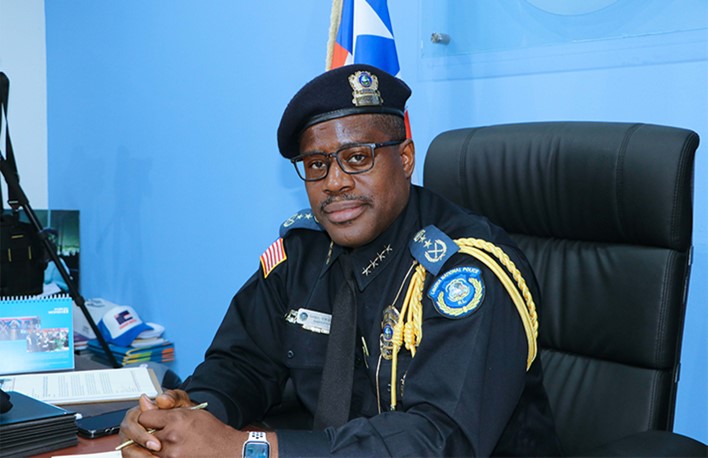
MONROVIA – Liberia’s biggest cocaine seizure has entered a decisive phase, shifting the national conversation from speculation to criminal accountability. Nearly a month after security officers intercepted narcotics valued at more than US$19 million at Roberts International Airport, investigators have formally accused several individuals and a logistics company of participating in what authorities describe as an organized transnational trafficking network. Beyond announcing criminal charges, the investigation alleges attempted bribery, links to an earlier shipment, and systemic vulnerabilities within Liberia’s cargo-handling system. As THE ANALYST reports, the development now places the justice sector under intense public scrutiny as Liberians await prosecutions capable of matching the gravity of the allegations.
Inspector General of Police Gregory O.W. Coleman has formally announced criminal charges against five principal suspects and a private logistics company in connection with the attempted exportation of cocaine valued at more than US$19 million through Roberts International Airport (RIA), declaring that investigators have uncovered what they describe as a sophisticated transnational drug trafficking network operating through Liberia’s aviation cargo system.
Addressing the nation Saturday, Coleman said the Joint National Security Investigation had concluded the first phase of its inquiry into the June 7 seizure of approximately 237.6 kilograms of cocaine concealed inside six cargo boxes falsely declared as Maggi cubes and lappas.
The Inspector General said the scale of the seizure, the concealment methods employed, the intended international routing, and evidence gathered during the investigation demonstrated that the case was not an isolated criminal incident but part of an organized international narcotics enterprise.
“This was not a paperwork error. This was not a routine cargo discrepancy. This was not an innocent shipment gone wrong. This was a serious transnational cocaine trafficking operation using Liberia’s aviation and logistics system as a channel for organized crime,” Coleman declared.
Investigation Uncovers Wider Network
According to Coleman, investigators reconstructed the cargo trail, examined communications records, financial transactions, digital evidence, airway bills, cargo-handling procedures, and witness statements before concluding that the operation extended beyond the June shipment.
He disclosed that the cargo first entered the airport system on June 5 under a false declaration before discrepancies in its weight and screening images prevented its departure. When the shipment was physically inspected on June 7, authorities discovered 198 plates of cocaine hidden inside the six boxes.
Coleman further revealed that investigators found evidence linking the June seizure to an earlier shipment in May 2026 that allegedly used similar concealment methods, false cargo declarations, and members of the same trafficking network.
He also alleged that members of the organization attempted to bribe security personnel and recover the shipment after the cocaine had been discovered.
Five Suspects Criminally Charged
Based on what Coleman described as witness testimony, documentary records, forensic evidence, call logs, and digital analysis, investigators charged Paul J. King, Operations Manager of Global Logistics Services (GLS), and the company itself with multiple offences under the Amended Controlled Drugs and Substance Act of 2023 and the Revised Penal Code.
The charges include unlicensed exportation, transportation, possession and illicit trafficking of controlled substances, as well as criminal conspiracy.
Also charged are Michael U.S. Browne, also known as Rahim or Raheem Bah; Oscar J. Browne; Emmanuel Kpah; and United Kingdom-based consignee Usman Ali.
Several of the suspects have been charged in absentia after allegedly fleeing Liberia or otherwise evading arrest.
Coleman said authorities are pursuing international arrest warrants, extradition requests, and mutual legal assistance mechanisms to secure those who remain outside Liberia.
No Safe Haven For Traffickers
The Inspector General warned that investigations remain active and are now focused on identifying every financier, organizer, courier, facilitator, insider, and foreign collaborator connected to the trafficking operation.
He further warned that any airport official, security officer, government employee, private company, or corporate actor found to have knowingly participated in the operation or attempted to obstruct the investigation would face prosecution.
Coleman announced that security agencies have begun reviewing cargo screening procedures, chain-of-custody protocols, and internal safeguards at Roberts International Airport to prevent similar incidents.
Addressing the nation directly, he stressed that narcotics trafficking threatens Liberia’s institutions, fuels organized crime, destroys communities, and damages the country’s international reputation.
“If you traffic drugs through Liberia, we will pursue you. If you facilitate drug trafficking, we will charge you. If you try to bribe officers to release narcotics, we will expose you. If you abuse public trust to shield traffickers, we will bring you before the law,” Coleman declared.
While announcing the charges, the Inspector General emphasized that every accused person remains entitled to due process and the constitutional presumption of innocence until proven guilty by a court of competent jurisdiction.
He concluded by declaring that Liberia would not become a safe transit corridor for international drug trafficking networks, assuring the public that the investigation would continue until all participants are identified and prosecuted.
Comments are closed.