

PUFPIL Presses Legislature-Demands Laws For Courts And Reconciliation
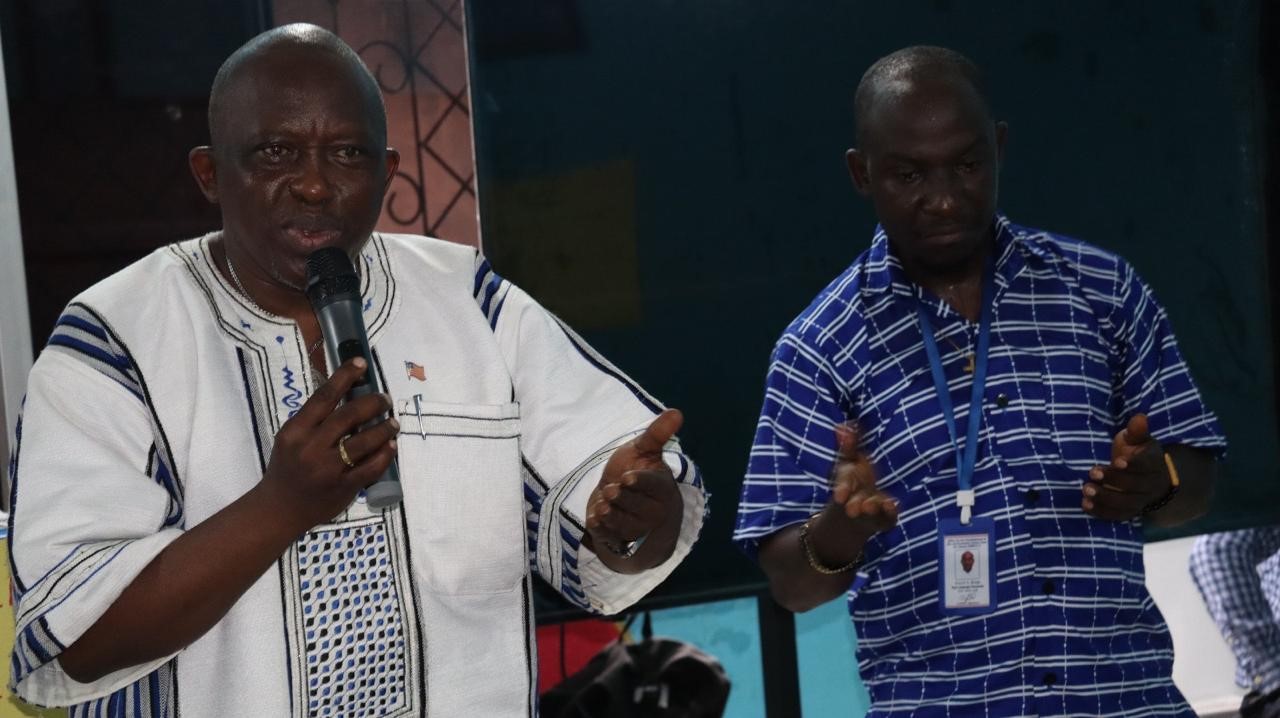
MONROVIA – Liberia’s transitional-justice debate has never suffered from a shortage of dialogue; its failure has been the long distance between promises and institutions capable of delivering truth, accountability and redress. At PUFPIL’s peace forum, OWECC-L Executive Director Dr. Cllr. Jallah Barbu argued that government cannot own the process alone, while Rev. Adolphus Capehart pressed the Legislature to enact the laws required for a War and Economic Crimes Court and National Accountability and Reconciliation Commission. Their positions meet at a point. Victims need participation, dignity and reconciliation, but they also need decisions. An inclusive process can strengthen legitimacy; without legislative action and mechanisms, however, consultation risks becoming another respectful conversation around justice repeatedly postponed, as THE ANALYST reports.
Barbu Hails Peace Initiative
MONROVIA: The Executive Director of the Office for the Establishment of the War and Economic Crimes Court for Liberia, Dr. Cllr. Jallah A. Barbu, has commended People Uniting for Peace in Liberia for promoting peace, reconciliation and national unity.
Barbu said Liberia’s effort to confront the legacy of its civil conflicts cannot succeed through government action alone. It requires meaningful participation by victims, civil society, religious institutions, communities, women, young people and development partners.
He made the statement Wednesday during a one-day national dialogue organized by PUFPIL under the theme, “Fostering National Unity Through Inclusive Dialogue.”
The gathering brought together representatives of civil-society organizations, religious groups, victims’ associations and other stakeholders to discuss peace, accountability, reconciliation and Liberia’s unfinished transitional-justice process.
Barbu said organizations such as PUFPIL complement the work of government and other national actors seeking to move Liberia from years of discussion toward credible mechanisms for justice and healing.
Government Cannot Work Alone
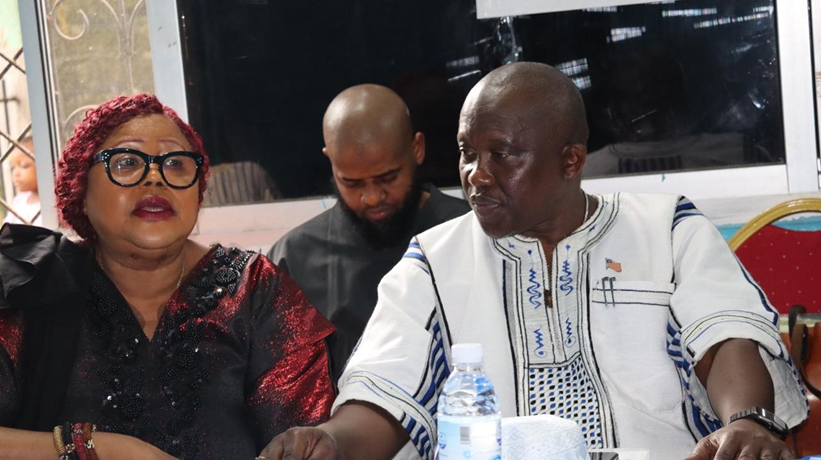
The OWECC-L Executive Director identified government institutions, civil-society organizations, community groups, development partners, women and youth organizations, and victims’ associations as essential participants in transitional justice.
According to him, the process must be broadly owned by Liberians rather than treated as a government project designed and implemented without meaningful public involvement.
National ownership requires sustained engagement, public education and cooperation across different sectors. It also means listening to people whose experiences and expectations may differ sharply.
Victims may demand prosecution, acknowledgement and reparations, while some communities may place greater emphasis on reconciliation, memorialization or traditional processes. A credible national framework must address those concerns without allowing reconciliation to become an excuse for impunity.
Barbu’s call for inclusive dialogue recognizes that courts alone cannot repair every wound left by more than a decade of violence. Judicial accountability can determine criminal responsibility, but broader measures are needed to restore dignity, record victims’ experiences and rebuild public trust.
Participation must nevertheless influence decisions rather than merely provide a public appearance of consultation. Liberians who speak about justice will expect their views to shape the institutions eventually established.
Justice Must Protect Rights
Barbu highlighted the mandate of OWECC-L and said the proposed War and Economic Crimes Court and Anti-Corruption Court must rest upon accountability, justice, fairness and inclusivity.
The institutions must respect the rights and dignity of victims, survivors and all people affected by Liberia’s years of conflict, he said.
That obligation includes creating safe avenues for victims to participate without exposing them to intimidation, retaliation or renewed trauma. It also requires respect for the legal rights of people accused of grave crimes.
A credible court must avoid both impunity and predetermined guilt. Its legitimacy will depend upon independent judges, professional investigators, competent defence representation and evidence tested through fair proceedings.
Barbu renewed OWECC-L’s commitment to working with government agencies, civil society and other stakeholders to support the establishment of credible transitional-justice institutions.
Properly established and implemented, he said, those mechanisms could promote national healing, reconciliation and the consolidation of lasting peace.
The qualification is important. A court created without adequate law, resources or independence could deepen public frustration, while a reconciliation body without authority or public confidence could become another institution producing recommendations that remain unimplemented.
Peace Requires Accountability
Liberia continues to debate how to respond to allegations of killings, massacres, torture, sexual violence, economic crimes and other serious violations committed during its civil wars.
The country has maintained peace for more than two decades, but many victims continue to live without judicial accountability, formal acknowledgement or adequate redress.
Advocates of transitional justice argue that the absence of war does not by itself establish a just and reconciled society. Unresolved grievances can survive beneath political stability and weaken citizens’ confidence in state institutions.
Barbu’s remarks placed accountability and reconciliation within the same national process. Properly designed mechanisms can pursue criminal responsibility while supporting healing and preventing renewed violence.
The two objectives should reinforce rather than defeat each other. Justice without broader reconciliation may leave communities divided, while reconciliation without accountability can ask victims to accept peace without truth or consequence.
Liberia’s challenge is to create a system capable of addressing both. That requires careful legislation, public trust, institutional competence and long-term political commitment.
PUFPIL Demands Legislative Action
PUFPIL Acting Chief Executive Officer Rev. Adolphus Capehart reaffirmed the organization’s commitment to peace, justice, reconciliation and national unity.
Capehart reflected on Liberia’s 14-year civil crisis and the devastating consequences suffered by victims, families and communities.
Although the armed conflict ended, he said, its effects remain visible in people living with physical injury, trauma, loss, displacement and unresolved grief.
The PUFPIL official argued that transitional justice is necessary to confront impunity, establish accountability, recognize victims and help communities recover from the violence of the past.
He called upon the National Legislature to consider and pass the laws required to establish the War and Economic Crimes Court and the proposed National Accountability and Reconciliation Commission.
Capehart described the two institutions as necessary steps toward addressing Liberia’s wartime legacy and strengthening the country’s efforts at justice and reconciliation.
His intervention shifted the discussion from general national support to legislative responsibility. Dialogue may build understanding, but only enacted laws can define jurisdiction, powers, procedures, funding and institutional safeguards.
Legislature Holds Legal Key
The National Legislature occupies a decisive place in Liberia’s transitional-justice process because the proposed mechanisms require a clear legal foundation.
Lawmakers must determine how the War and Economic Crimes Court will operate, what offences it can prosecute and how it will relate to Liberia’s existing judiciary.
They must also establish rules governing investigation, prosecution, evidence, defence rights, witness protection, appeals and cooperation with international partners.
The proposed National Accountability and Reconciliation Commission would similarly require a defined mandate. Its relationship with the court must be clear enough to prevent conflicting responsibilities or confusion among victims.
Capehart’s appeal therefore asks lawmakers to move beyond public expressions of support. They must examine, debate and enact legislation capable of producing functioning institutions.
Delay carries consequences. Suspects, victims and witnesses are ageing, documents can disappear and memories become harder to test as time passes.
Every year of postponement makes credible investigation more difficult. It can also reinforce the public belief that political leaders support accountability in speeches while avoiding decisions that could affect powerful individuals.
Victims Must Remain Central
Representatives of the Liberia Massacre Survivors Association participated in the dialogue, bringing the perspective of people and communities directly affected by wartime violence.
The Liberia Muslim Council, Liberia Council of Churches and United Nations Office of the High Commissioner for Human Rights were also represented, along with other stakeholders.
Their participation reflected the broad range of institutions with an interest in how Liberia designs its justice and reconciliation mechanisms.
Victims’ groups bring testimony, lived experience and demands for recognition. Religious bodies can support moral reflection, community dialogue and healing, while human-rights institutions can provide technical guidance on international standards.
Government agencies hold authority to develop policy and implement legislation. Civil society can monitor those institutions, conduct public education and help ensure that excluded communities are heard.
No single actor can perform every role. Effective transitional justice depends upon cooperation without allowing political power to silence victims or substitute ceremony for accountability.
Victims must remain at the centre of the process because the institutions are being created in response to violations committed against them. Their participation should extend from public consultations to decisions about protection, access, reparations and memorialization.
Inclusive Process Faces Risks
Barbu’s call for collective ownership offers a path toward legitimacy, but inclusivity must be defined carefully.
A process cannot claim to be inclusive merely because representatives attend meetings in Monrovia. Women in rural communities, survivors living outside Liberia, people with disabilities and families affected by lesser-known atrocities must have meaningful opportunities to participate.
Public education must also reach citizens in languages and forms they can understand. Transitional justice involves complex legal questions that cannot remain confined to lawyers, government officials and urban organizations.
Community engagement should explain what the proposed courts and commissions can achieve and what lies beyond their authority. Unrealistic expectations can later produce disappointment and mistrust.
The process must also guard against political capture. Parties and officials may support accountability when it threatens opponents but resist it when allies face scrutiny.
A credible institution must apply evidence and law without regard to current political affiliation, wartime faction, social status or personal influence.
The same principle should govern economic-crimes investigations. Accountability loses public legitimacy if it pursues selected perpetrators while shielding others because of wealth or political connections.
Dialogue Cannot Replace Decisions
The PUFPIL forum renewed an important national conversation, but Liberia has held years of discussions on wartime accountability.
The Truth and Reconciliation Commission documented violations and issued recommendations, yet the country continues debating the principal mechanisms required to act upon its wartime past.
Dialogue remains necessary because justice imposed without public understanding can generate resistance. Consultation can identify concerns, improve legislation and help communities understand the purpose of proposed institutions.
But dialogue becomes a form of delay when it repeatedly revisits settled demands without producing decisions. Victims should not be required to recount their suffering endlessly while political institutions postpone action.
Barbu’s appeal for broad ownership and Capehart’s demand for legislation should therefore be understood as connected responsibilities.
The public must help shape the process, while the Legislature must give that process legal authority. Government must then provide resources and protect the institutions from political interference.
Courts And Reconciliation
The proposed War and Economic Crimes Court would address individual criminal responsibility for serious offences supported by evidence. A reconciliation mechanism would pursue a broader national task involving truth, acknowledgement, dialogue and healing.
Neither institution can perform the work of the other. A commission cannot impose criminal punishment where prosecution is required, while a courtroom cannot repair every social relationship destroyed by years of conflict.
Liberia needs a coherent framework defining how the mechanisms complement one another. Evidence sharing, witness protection and victim participation must be carefully coordinated.
The proposed Anti-Corruption Court adds another dimension by addressing serious economic wrongdoing. Economic crimes can weaken the state, finance conflict and deprive citizens of resources needed for development.
Its establishment must receive the same attention to independence and due process. Specialized courts should improve competence and speed without creating political tribunals or bypassing constitutional protections.
Barbu said credible mechanisms could strengthen lasting peace. Their credibility will depend upon professional staffing, stable financing and the freedom to follow evidence regardless of where it leads.
National Ownership Must Produce Action
The central message from the PUFPIL dialogue was that Liberia’s peace requires more than the continued absence of armed conflict.
Lasting stability must rest upon accountable institutions, recognition of victims, public participation, reconciliation and reforms capable of preventing renewed violence.
Barbu’s commendation recognized the value of citizens and organizations that continue creating space for that work. Capehart’s appeal reminded the country that civic engagement must eventually meet legislative action.
Liberia now faces a familiar choice. It can continue discussing the institutions required for justice, or it can establish them through laws that protect victims, defendants and judicial independence.
The two tasks are not rivals. Inclusive dialogue can improve the institutions, while courts and commissions can give practical meaning to the dialogue.
For victims who have waited decades, however, time matters. National ownership will remain an aspiration until Liberia’s leaders convert public consultation into lawful, credible and functioning mechanisms for justice, accountability and reconciliation.
Comments are closed.