
Dr. Dougbeh Nyan Flags Six Ills -Scientist Cites Corruption, Border, Drug Crises
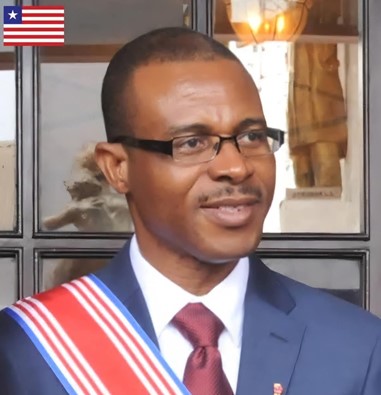
MONROVIA – The scientist who delivered Liberia’s 169th Independence Day oration has used the nation’s 179th anniversary to warn that the republic is still “straddled” by the vices of its past. In an Independence Day message to the nation, Dr. Dougbeh Chris Nyan — the noted biomedical researcher and inventor who orated back in 2016 — set aside the customary festivity to enumerate six burning national issues, ranging from constitutional abuse and entrenched corruption to a collapsing health and education system. He pointed as well to Guinea’s occupation of Liberian soil in the north and to drug cartels he says are capturing arms of the state, even as he congratulated this year’s national orator. THE ANALYST reports.
A greeting, and a reckoning
Writing from what he called the home of the 169th National Orator, Nyan greeted the people of Liberia and Africa and noted that this year’s commemoration marks 179 years of the country’s existence as the first Black republic on the continent.
Since the 1847 declaration of independence, he said, Liberia has met numerous challenges, struggling to protect its own freedom and territorial integrity even as it fought for the liberation of the rest of Africa from colonial rule, imperialism, and exploitation. One hundred and seventy-nine years on, he argued, the nation remains straddled with the nuisances and vices of the past in a neo-colonial era, still struggling to uphold the democratic and social values it professes.
Six burning issues
Nyan then set out six burning national issues by way of example. First, he said, constitutional violations, as well as disregard for human rights and the rule of law, continue to rise.
Second, corruption, mediocrity, and sycophancy appear to have become the administrative order of the day in the governance system, displacing the virtues of integrity, dignity, merit, hard work, and honesty.
Third, he argued, the country’s healthcare and educational systems have declined drastically, with no national innovation in science and technology, leaving Liberia less competitive in an age driven toward the Fourth Industrial Revolution.
The remaining concerns turned to territory and security. Fourth, Nyan pointed to a prolonged border crisis — what he described as the current Guinean occupation of Liberian territory in the north — which remains unresolved and which he likened to the French and British encroachments on Liberian territory during the colonial period of the 1800s.
Fifth, he warned of a recurrent drug-trafficking crisis that is gradually turning the country into a narcotic transit hub, alongside a local drug-circulation cartel that is harming the youth and the future of the nation. Sixth, he alleged, state authority appears heavily infiltrated and influenced by what he called the healthcare-medical cartel, the mineral cartel, and the drug cartel, all of which undermine law and order.
A country left behind
Meanwhile, Nyan observed, other countries are surfing faster and far ahead of Liberia on the roaring waves of socio-economic progress, while little or no concrete attention is given to the nation’s own development.
In view of these historical nuisances and contemporary vices, he said, the period calls for a deliberate national response.
What the moment demands
Nyan set out four demands for the occasion: appreciating the gallant and defiant steps the country’s forefathers took to establish a nation; taking a deeper reflection on the past; being intentional, visionary, and progressive in executing radical development programs; and serving the nation with integrity, honesty, and dignity.
Only by embracing such imperatives, he argued, can Liberia cope with the accelerating pace of human development unfolding globally, while working out where it will place itself in that world.
A salute to this year’s orator
The former orator closed on a warmer note, congratulating Dr. Herbert Brewer on his selection as this year’s National Orator. He urged Liberians to celebrate well and stay safe and, noting that there is no Ebola in the country, encouraged them to continue observing the usual public-health measures.
Comments are closed.