

Saah Floats Holiday Merger -Calls for task force, legislation
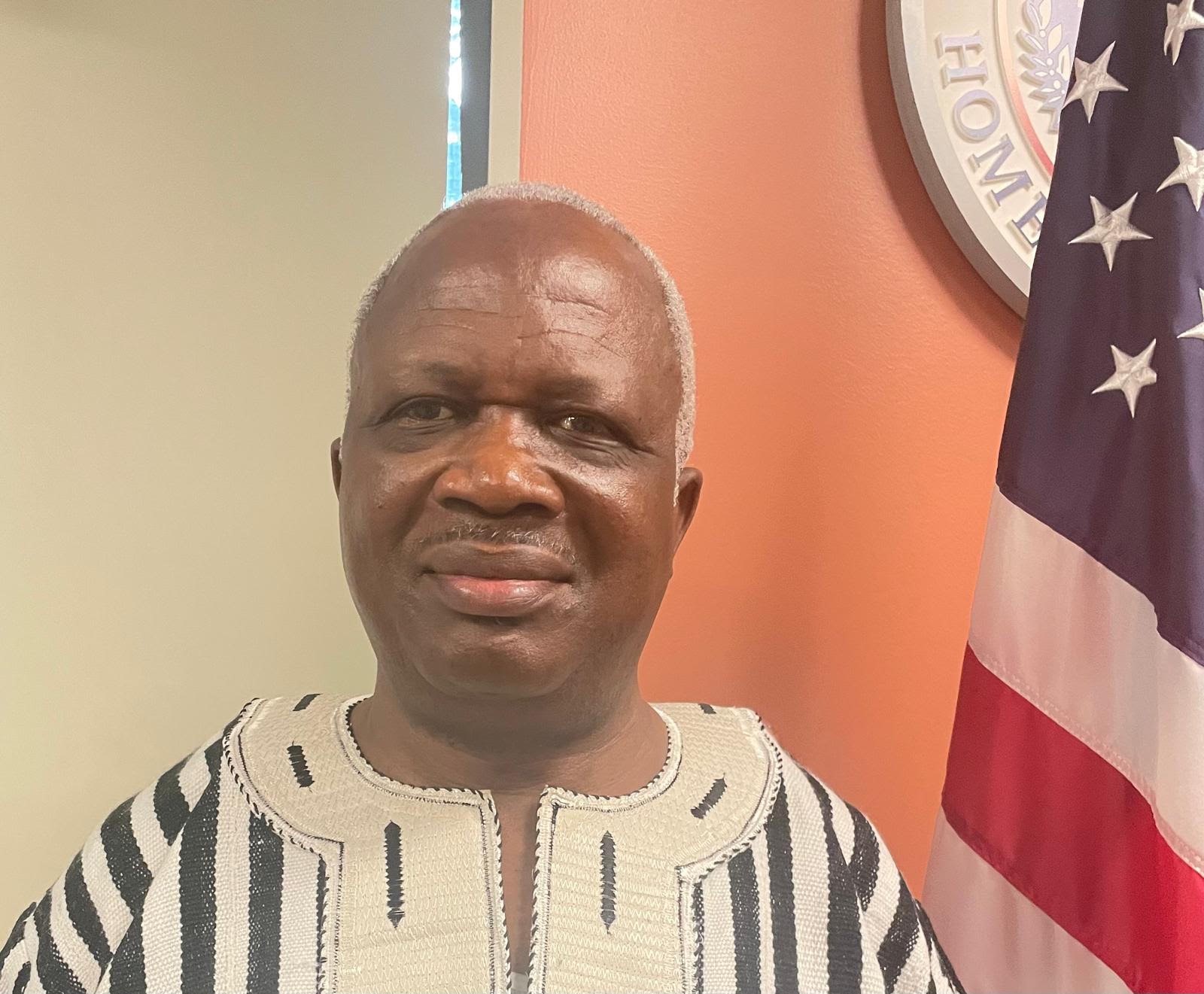
MONROVIA – Liberia’s holiday calendar has drawn a pointed challenge. Montgomery Saah, Sr. wants March 15 and November 29 merged into one President’s Day. The proposal arrives days before Tubman’s 131st birth anniversary. Its timing is deliberate. Saah argues that two presidential holidays split the nation’s attention and money. One day, he says, would honor the presidency as a continuous institution. The case borrows openly from the American model. It also leans on unity and cost savings. Yet its hardest question remains open. Saah does not name a date. Any choice will privilege one legacy or another. The proposal now tests whether Liberians will trade two cherished anniversaries for one shared day, as THE ANALYST reports.
A Liberian citizen, Montgomery Saah, Sr., has proposed that the government blend the March 15 and November 29 holidays into a single national holiday to be known as President’s Day. March 15 marks the birth anniversary of Joseph Jenkins Roberts, Liberia’s first president, while November 29 marks that of William V. S. Tubman, its longest-serving president.
Saah addressed the proposal to the administration of President Joseph Nyuma Boakai, Sr. He submitted it to THE ANALYST for publication in a letter dated November 21, 2026, as Liberia prepares to celebrate Tubman’s 131st birth anniversary on November 29.
The proposal carries the title “One Day. One Presidency. One Liberia.” Its subtitle reads: “Honoring the Legacy of Joseph Jenkins Roberts and William V. S. Tubman — Together, as One People.”
Honoring Both Men Together
“Each man shaped Liberia in profound and distinct ways. Each day deserves reverence,” Saah wrote. He said the proposed holiday would be similar to what is celebrated in the United States.
“The goal is not to diminish either man. The goal is to elevate both — together — and to honor the presidency itself as a continuous institution of national service, sacrifice, and leadership,” he insisted.
By celebrating together, Saah argued, Liberia can promote national unity, simplify the national calendar, and reduce costs. He added that a single day would create a more impactful, educational, and culturally rich celebration for all Liberians, at home and abroad.
Why This Moment Matters
Saah contended that Liberia stands at a moment of renewal. After decades of struggle, conflict, and rebuilding, he wrote, the nation is working to strengthen democracy, grow its economy, and heal divisions of region, ethnicity, and history.
“National holidays are not merely days off. They are statements about who we are and what we value,” he observed. He argued that two separate presidential holidays, “however well-intentioned, divide our attention and our resources.”
According to Saah, the two holidays ask the nation to pause twice, in two different seasons, for two different men. He argued that “the deeper truth is that Roberts and Tubman belong to one story: the story of Liberia’s presidency and Liberia’s progress.”
He said a unified President’s Day would allow Liberians to tell that story completely. He traced it from Roberts, “who led a young republic into independence and gave it its first democratic form,” to Tubman, “who championed unification, infrastructure, and an open-door policy that connected Liberia to the world,” and to every president who has followed.
“Our leaders form a single chain of service. One day allows us to honor that chain, not just its links,” he asserted.
Five Benefits Outlined
Saah outlined five benefits of a unified President’s Day. The first is a unified celebration that would honor Liberia’s presidential legacy with a single, impactful observance, “bigger, better organized, and more memorable than two separate observances stretched thin.”
The second is national unity. He said the day would foster a sense of shared history and pride among Liberians, with “one day, one program, one national conversation — from Lofa to Maryland, from Montserrado to Nimba, and across the diaspora.”
Third, he cited economic efficiency. A single holiday, he argued, would reduce the costs and logistical challenges of multiple holidays. It would mean fewer government closures, less disruption to business and schools, and more focused use of public funds for one excellent celebration.
Fourth, Saah pointed to cultural significance. He said the day would emphasize the importance of Liberia’s presidential history and its impact on the nation’s development, through culture, education, and public reflection.
Fifth, he cited civic education. He described the holiday as a clear annual moment for schools, universities, and communities to teach young Liberians about leadership, the Constitution, public service, and the responsibilities of citizenship.
“In short, President’s Day would not be less celebration. It would be more — more focused, more inclusive, and more meaningful,” he wrote.
Date, Events and Reflection
On implementation, Saah said the date for President’s Day should be chosen with care and through public consultation. He offered three options. The first is a date of founding significance, such as a day connected to Liberia’s independence or democratic history.
The second is the birthday of a notable president, “preserving a direct link to the men this day honors.” The third is a day that aligns with existing celebrations, “so that President’s Day strengthens, rather than competes with, our national calendar.” “Whichever date is chosen, it should be fixed by law, widely publicized, and embraced as a day that belongs to every Liberian,” he stated.
Saah said President’s Day should be “a living celebration, not a quiet day off.” He proposed cultural events featuring music, dance, storytelling, and exhibitions showcasing Liberia’s heritage from all 15 counties.
He also proposed parades and ceremonies, including flag-raising, wreath-laying at the Roberts and Tubman monuments, and honors for past and present leaders. Educational programs, he said, could include school lectures, essay competitions, museum exhibitions, and public debates highlighting Liberia’s presidential history and achievements.
He further proposed community service. He described a national day of service, with clean-up campaigns, blood drives, and mentorship, “reflecting the spirit of leadership through service.”
The day, Saah added, should also be one of national reflection. It should encourage Liberians to pause and ask: “Where have we come from? Where are we going? What kind of leadership does Liberia need next?”
He wrote that such reflection, “honest, hopeful, and forward-looking,” is how a holiday becomes more than a ceremony. “It becomes a commitment to the nation’s future,” he stated.
Roberts, Tubman Not Forgotten
Saah addressed what he called a fair concern: that blending the holidays could cause Liberians to forget Roberts or Tubman. “The opposite is true,” he countered.
He noted that in the United States, President’s Day does not make Americans forget George Washington or Abraham Lincoln. Instead, he said, it keeps both alive in a shared national conversation.
In the same way, he argued, a Liberian President’s Day would keep Roberts and Tubman central, with “their portraits, speeches, and legacies featured every year, side by side.” It would also make room to honor all who have served in the office of the presidency. “We would not be erasing history. We would be bringing it together,” he wrote.
Task Force, Legislation Proposed
To move the proposal from idea to reality, Saah recommended three steps to the Boakai administration. First, he called for a task force to explore the feasibility and implementation of President’s Day, including its date, legal framework, budget, and national program. The committee, he said, should include historians, educators, cultural leaders, youth representatives, and legal experts.
Second, he urged engagement with government agencies, the private sector, and civil society organizations to build support and gather input. He said traditional leaders, religious leaders, the diaspora, and young Liberians, “whose future this holiday will shape,” should be consulted.
Third, he called for the necessary legislative process to declare President’s Day a national holiday. That process, he said, should go through the Legislature, “with clear provisions for its observance, purpose, and annual program.”
‘One Day That Unites Our Hearts’
Saah concluded that blending the two holidays “presents a unique opportunity for Liberia to promote national unity, celebrate its rich presidential legacy, and stimulate economic growth.” By taking these steps, he said, the Boakai administration could create a lasting legacy that honors Liberia’s history and promotes national unity, while contributing to the country’s economic development.
“Liberia has endured much and achieved much. Our presidents, at their best, have embodied our highest hopes for freedom, unity, and progress,” he wrote. “Let us honor them not on two separate days that divide our attention, but on one great day that unites our hearts.”
Writing as a ‘Concerned Patriot’
In his cover letter, Saah described November 29 as “a day of deep meaning for our nation.” He said Tubman, “our longest-serving president, led Liberia through an era of unification, infrastructure, and national growth,” and that his birthday is a moment for Liberians to reflect on what leadership has meant and must continue to mean.
“It is precisely because this day matters so much that I offer the enclosed proposal for public discussion,” Saah wrote. He said the celebration offers a natural opportunity to ask how best to honor the presidential legacy, “not just for one day in November or one day in March, but for generations to come.”
He said he hoped the article “will spark thoughtful, respectful conversation among Liberians at home and abroad.” He described himself as a Liberian citizen writing “as a concerned patriot, not on behalf of any political party or organization,” and said the views expressed are his own and that he takes full responsibility for them.
Comments are closed.